
Derek McLean Named Dean of the new USU College of Agriculture and Natural Resources
Author
Published
7/5/2026
One year after longtime Utah State University departments were merged to become the S. J. & Jessie E. Quinney College of Agriculture and Natural Resources, the college is led by Derek McLean, the university’s first Janet Q. Lawson Endowed Dean.
An animal physiologist by training, McLean brings wide-ranging experience in higher education as a student, faculty member and administrator at four land-grant universities. He stepped away from academia for seven years when he became director of collaborative research at Phibro Animal Health, an animal health and nutrition company with operations in the U.S. and globally, followed by three years as and as a health scientist administrator at the National Institutes of Health.
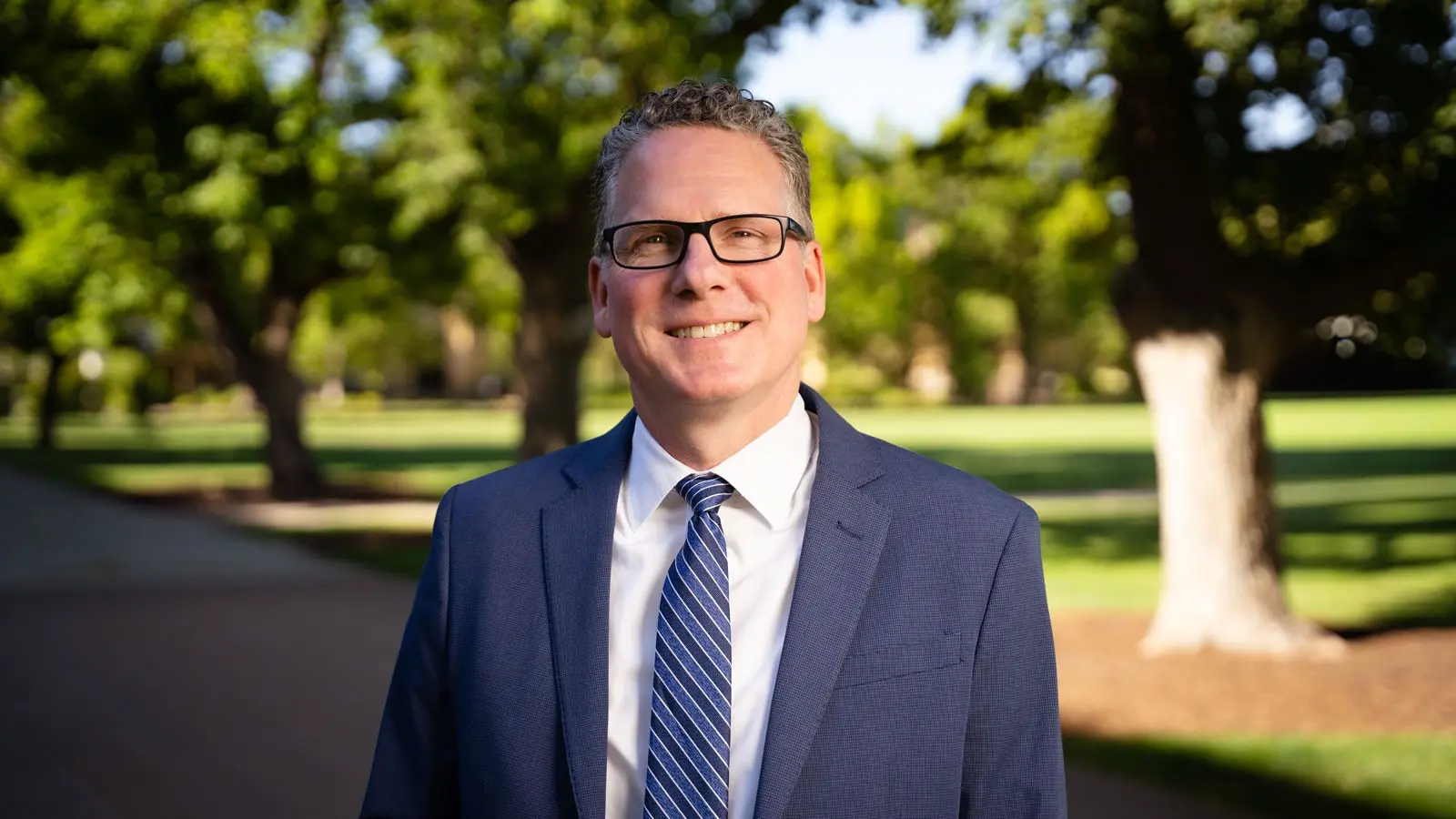
Each role came with experiences and growth that McLean brings to leading one of USU’s largest colleges that includes a broad array of disciplines, research in basic and applied sciences, teaching in programs for students working toward every sort of credential USU offers from certificates to doctoral degrees, and a deep commitment to the university’s Extension work across the state.
Early in his career on the faculty at Washington State University, McLean became the director of two core lab facilities that supported faculty research programs and provided experiential learning opportunities for students across disciplines. He was also available to researchers at other universities and external stakeholders.
“Colleagues and customers sent samples from all over the world, and we provided them with important information and employed a lot of students who developed important skills,” McLean said. “I had some interest and experience doing things beyond what we initially offered, and some members of our team were interested in developing new directions. So we expanded the services and helped support major research efforts at the university and beyond.”
Through that experience McLean learned the skill of bringing groups together to examine and work to make discoveries and solve problems. In his words: convene people, catalyze ideas and collaborate from there.
“It’s so important for us to find areas that help everyone see common areas and programs that can bring people together to help our students and contribute to important solutions,” McLean said. “We’re in a time with challenges that are complex and complicated, and we have so many smart people in the college who can contribute and lead us in directions where we will develop students who are innovators and leaders.”
Several weeks before officially becoming the dean, McLean met with department heads and many faculty and staff members to develop a sense of the programs, people, challenges and opportunities in the college.
Foremost among the things McLean sees the programs in the Quinney College have in common is a commitment to hands-on learning: learning by doing. He believes that is an important way students develop skills and gain insights that don’t show up on a transcript or in a course description. These skills include team building, negotiating, problem solving and seeing how your expertise can connect with others.
Agriculture, natural resources and other fields in the college present complicated problems, and McLean’s experiences in higher education — most recently as dean and director of the Agricultural Research Division at the Institute of Agriculture and Natural Resources at the University of Nebraska-Lincoln — have shown him that students come in wanting to tackle big problems.
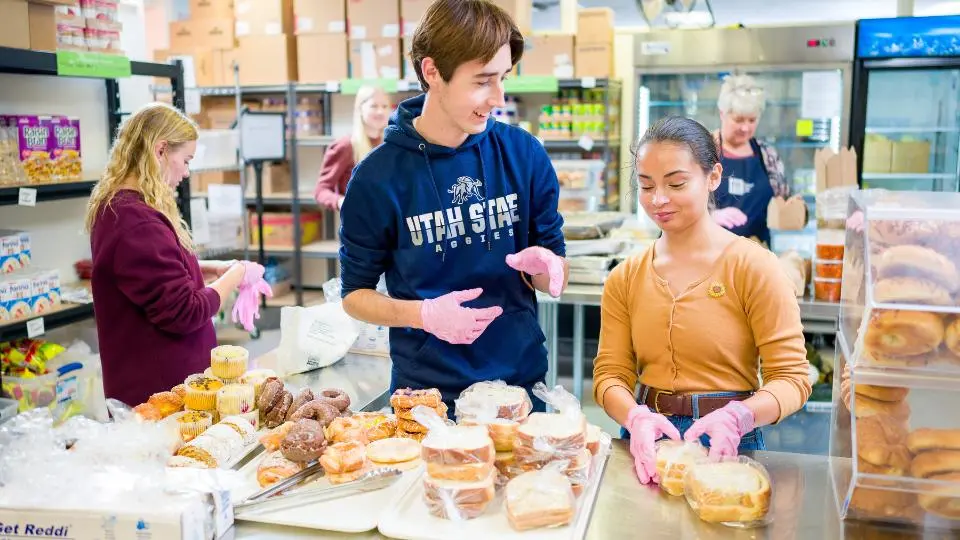
“I see students now who are ready to learn to lead,” McLean said. “They want to innovate and they have grown up in a world where access to information is at our fingertips, but that information is editable. Especially now, artificial intelligence makes it even more important that we give them a strong foundation to analyze information and think critically.”
McLean said the stops he has made professionally have taught him the vital role of gathering people and getting input, valuing a diversity of backgrounds, thoughts and experiences.
“In industry I had experiences where a team with broad skills in every part of the company was in a room and brought their best thinking, and we caught lightning in a bottle. Or some idea just became so good and present that we went out and did it and it made a difference,” McLean said. “I also had experiences where it was multiple steps, many meetings, maybe standing in line somewhere or traveling together, working over the course of a year and then things came together and seemed to happen fast.”
The common element he noted in both those situations was a collection of passionate people who wanted to make a difference in the organization and with the resources they had to really help people. He believes USU has the key ingredients and opportunities to get the “recipe” right and to make a positive difference in people’s lives, communities and the world.
“Coming into a new place, I am taking in the landscape of all the talent and skills and expertise we have and getting a sense of our students and understanding where they want to go,” McLean said. “And working with other new leaders and new ideas at Utah State University makes this is an exciting opportunity.”
Want more news on this topic? Farm Bureau members may subscribe for a free email news service, featuring the farm and rural topics that interest them most!