
Utah Farm Bureau Lists ‘Issues to Watch For in 2026’
Published
1/30/2026
The Utah Farm Bureau has released its list of ‘Issues to Watch For in 2026’ as the 2026 Utah general legislative session has begun.
Although not exhaustive in scope, the list is based on the Farm Bureau’s policy book, adopted at its convention in November, and national priorities released at the most recent national convention in Anaheim. The policy book will guide the general farm and ranch organization’s public policy actions throughout the upcoming year, including the current legislative session.
“It is important to note the policies advocated and defended by the Utah Farm Bureau come from the grassroots level, from actual farmers and ranchers on the ground and in the trenches – not simply from the ideas of one leader or board,” said ValJay Rigby, a grain and alfalfa farmer and cattle rancher from Cache County and President of the Utah Farm Bureau Federation. “These policies are developed through debate and deliberation in response to issues felt on the farms of the smallest towns as well as in the families of the largest cities in Utah.”
STATE ISSUES
1. Water Issues
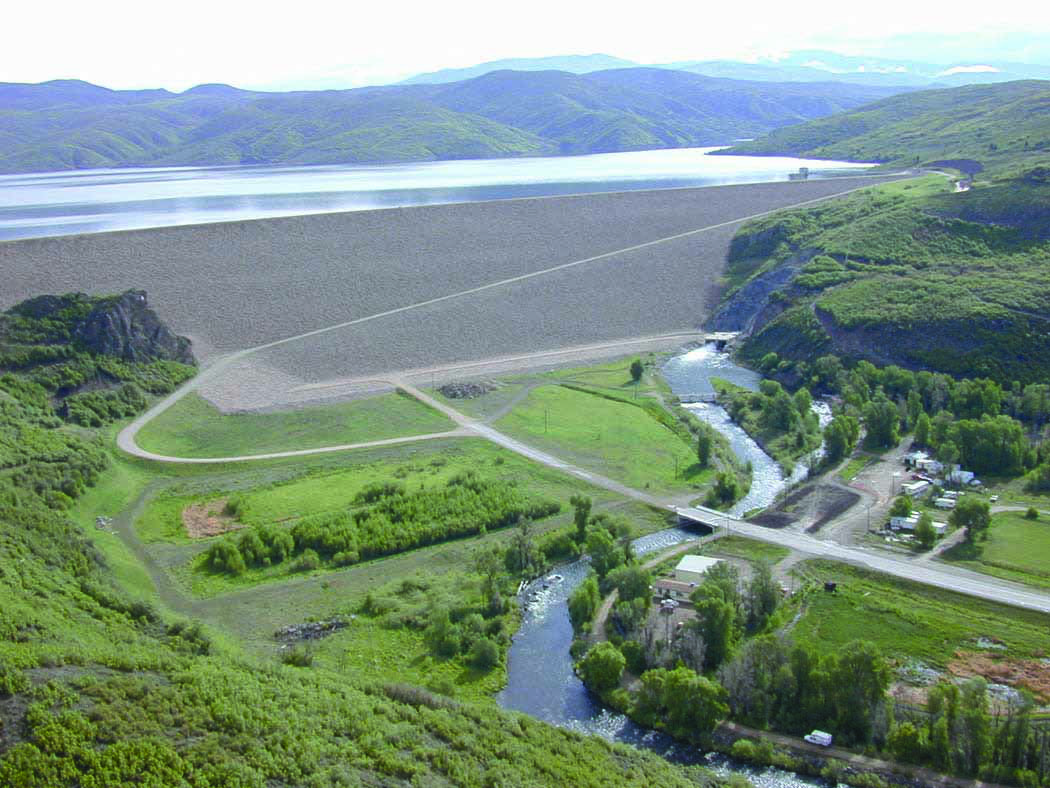
It’s no surprise that water issues continue to take center stage at this year’s legislature, as they remain of supreme concern for the Utah Farm Bureau and many Utahns. Farm Bureau will again focus on a range of bills this year, including measures to modernize Utah’s water code and improve consistency, clarity, and efficiency in water rights administration, as well as the ability for livestock owners to get water for their animals.
2. Funding Priorities
Utah Farm Bureau will focus efforts on several Requests for Appropriation (RFA) that benefit agriculture. This is especially needed – and difficult – during lean budget years, such as our current one. RFAs for the FFA and Utah State University’s E-Commerce Accelerator. The Accelerator program helps small businesses, especially those in rural and agricultural communities, build and expand their online presence through hands-on technical assistance and digital marketing support.
Lastly, Utah Farm Bureau is supporting a $2 million one-time funding request for the Division of Water Quality’s ‘Agricultural Voluntary Incentive Program’ (AgVIP), which helps farmers and ranchers develop management plans to maximize crop yields while complying with state water quality regulations. The funding would allow the program to operate for four additional years.
3. Energy
Utah Farm Bureau will be involved in several energy bills that could affect agriculture. From solar power generation on public lands and geothermal power to new data centers and the power and water they consume, energy production and agriculture are closely linked. Utah Farm Bureau wants to ensure that grazing and water interests are protected.
NATIONAL ISSUES
Farmer and rancher delegates to the American Farm Bureau Federation’s 107th Convention met recently in Anaheim to debate and adopt policies to guide the organization’s work in 2026. Key topics ranged from labor to animal health to risk management.
Farm bill
Every American should be urging Congress to pass a new farm bill as a top 2026 priority, and Farm Bureau continues to be the leader in advocating for such a bill in 2026. This legislation is a critical tool to ensure our nation’s food and farm security and to meet new challenges, continue innovating, and advance sustainability goals. With the toughest farm economy in a generation, a new farm bill must be a priority in the new year to provide relief in the short and long term. The farm bill has always been a bipartisan effort, and we encourage lawmakers to work in that spirit to get the job done in 2026.
Ag labor
Farm Bureau is seeking to improve labor programs to meet the needs of America’s farmers and ranchers, including formalizing support for the new Adverse Effect Wage Rate methodology and further revisions to avoid unpredictable rate swings in the future.
Biosecurity
Farm Bureau also supports federal funding for research and biosecurity facilities to better identify and combat illnesses and pests that threaten crop and animal health. This includes committing more resources specifically to eradicate the New World screwworm and keeping the U.S.-Mexico border closed to cattle trade until the screwworm is controlled.
Want more news on this topic? Farm Bureau members may subscribe for a free email news service, featuring the farm and rural topics that interest them most!