
Helping your yard thrive, Even in a Drought
Author
Published
7/15/2026
Anyone living in Utah has been aware of the pressure that years of relentless drought have put on our water systems. Lots of finger-pointing and public discourse are circulating (no pun intended) over water sustainability and solutions.
While Utah farmers are continually investing in efficient irrigation systems and other conservation methods, agriculture accounts for the largest share of diverted water use in Utah. Diverted water is water that is removed from the natural environment for human use.
According to the Utah Division of Water Resources, an average of 88-90% of Utah’s water stays in the environment it falls into or flows downriver to fulfill obligations to other states. Only an average of 8-10% is withdrawn from the system for other uses. Of that 8-10%, agriculture uses approximately 80%. However, the full story of water depletion is much broader.
.jpg)
According to the University of Utah, “Revised estimates reveal that Municipal and Industrial (M&I) depletions now account for approximately 26% of human-caused depletions, a significant increase from previous estimates. This updated data emphasizes that all sectors—urban, agricultural, and industrial—must contribute to conservation efforts.”
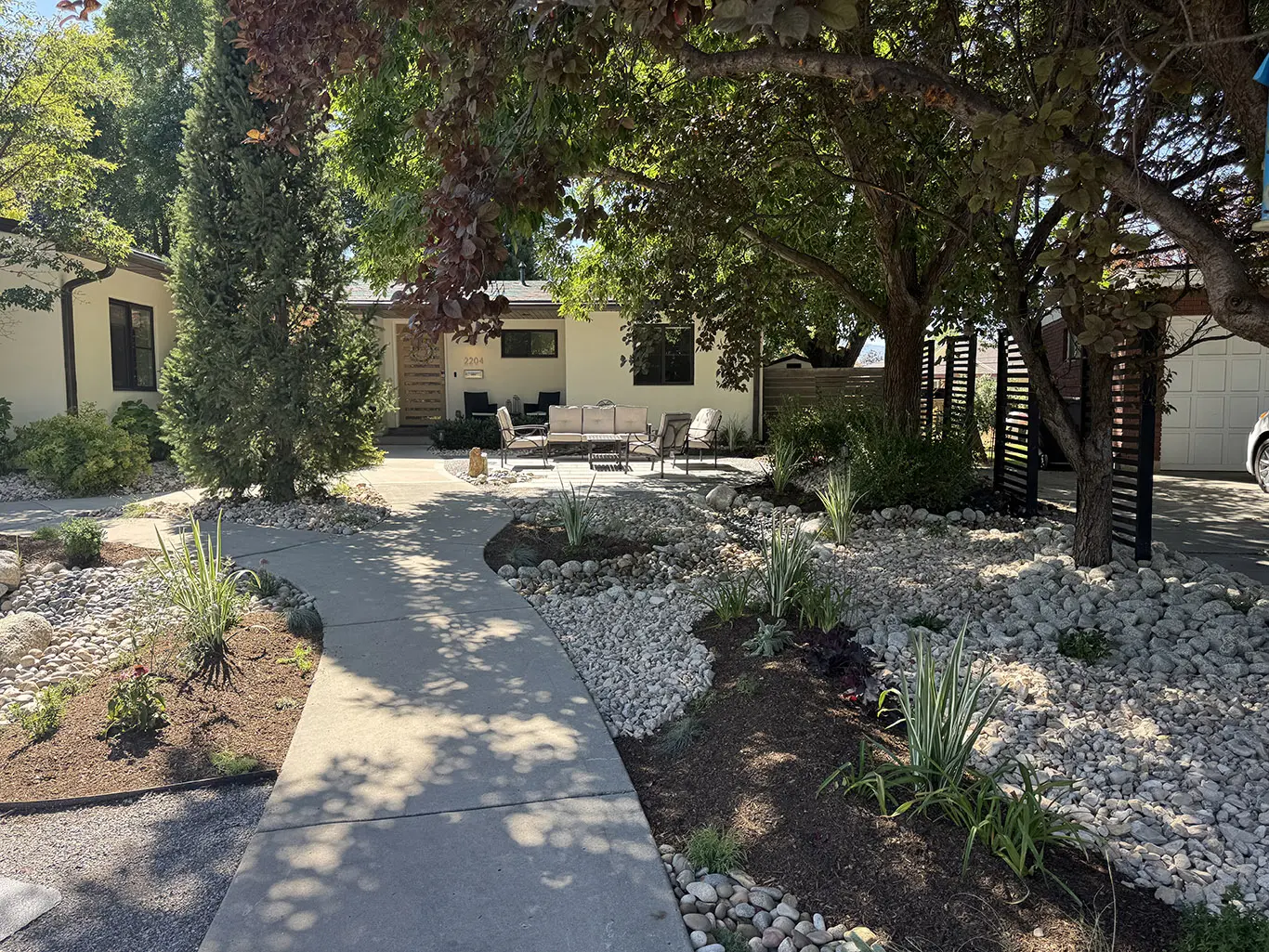
One way residents of Utah can help conserve water is by investing in water-wise landscaping around their homes, or as the team at Jordan Valley Water Conservancy calls it, ‘Localscaping’.
“For the average Utah family, about 60-65% of annual water use is their landscape,” said Cynthia Bee, Director of Engagement at Utah Water Ways. “When they localscape, they’re looking at saving anywhere from 60-80% of their household water use annually.”
So, what does water-wise or “localscaping” mean, and what does it look like?
“It’s all about what works in your local area,” Bee said. “St. George is going to have different landscaping needs than northern Utah, for example. But each can be just as strategic and smart about their water use.”
Bee also advises that Utah residents avoid extremes when planning their landscaping.
“There can be a spectrum in Utah, with one extreme being 100% lawn, and the other extreme being only rocks and zero plants,” Bee said. “Neither extreme is ideal; we want to choose an option in between.”
The essence of localscaping is to consider your outdoor space holistically and strategically, and to plan how you’ll use the space and how you can water it efficiently.
How to Plan
According to the Jordan Valley Water Conservancy District, there are five tenets to designing a localscaped environment:
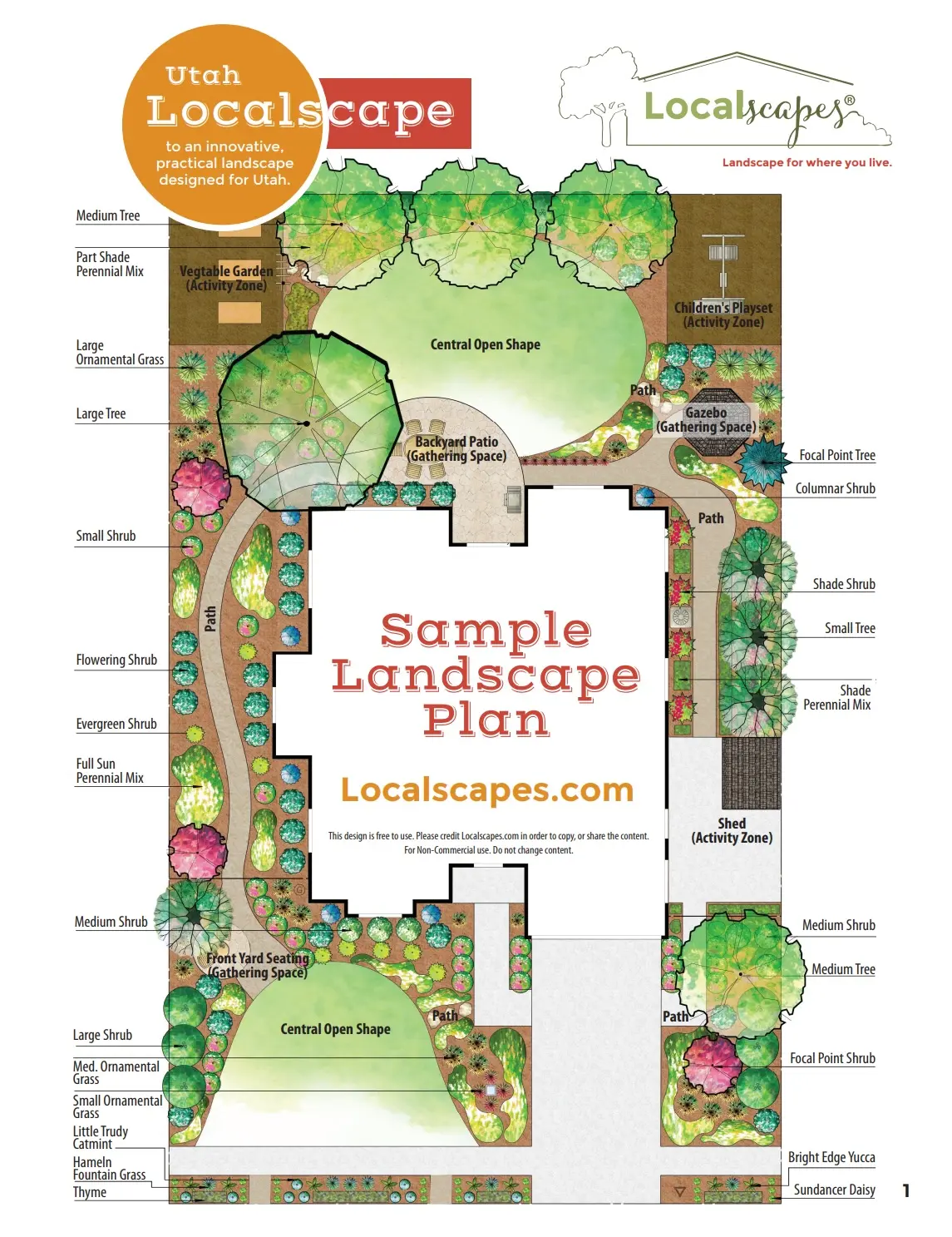
1. A Central Open Shape
The first step is to designate a central open space, which is most commonly a lawn but can also be pavers or a low-growing ground cover. This open shape serves both recreational and design purposes. When adding color and texture to other places with plants and trees (see step #5), the large open shape gives the eye a place to rest.
A common misconception is that you need to rip out all grass, but localscaping doesn’t have to mean no lawn. Grass actually serves many beneficial purposes.
.jpg)
“Grass can be really effective at cooling your home,” said Nancy Harris, co-owner of All American Sod Farms in Richfield. “When planted in large chunks around your house, it can actually lower the temperature in and around your house and save on energy costs.”
Grass is also great for recreating, as it’s a natural weed barrier and acts as a filter for blown-in dirt, food spills, and pet excrement.
“There is no other plant that can do what a lawn does, and we don’t want plastic either,” Bee said. “We don’t want to vilify lawn, but because it has the highest water needs in a landscape, it needs to be for active recreation, not a default ground cover.”
The recommendation is to ideally have a shape with circular edges, because it is more efficient to water with an overhead sprinkler (which sprays in a circular pattern). Since there isn’t a good way to water grass with a drip system, an overhead sprinkler will be the best irrigation option.
“We need to design our landscapes to fit irrigation systems,” Bee said. “Not design our irrigation systems to fit landscapes.”
2. Gathering Areas & 3. Activity Zones
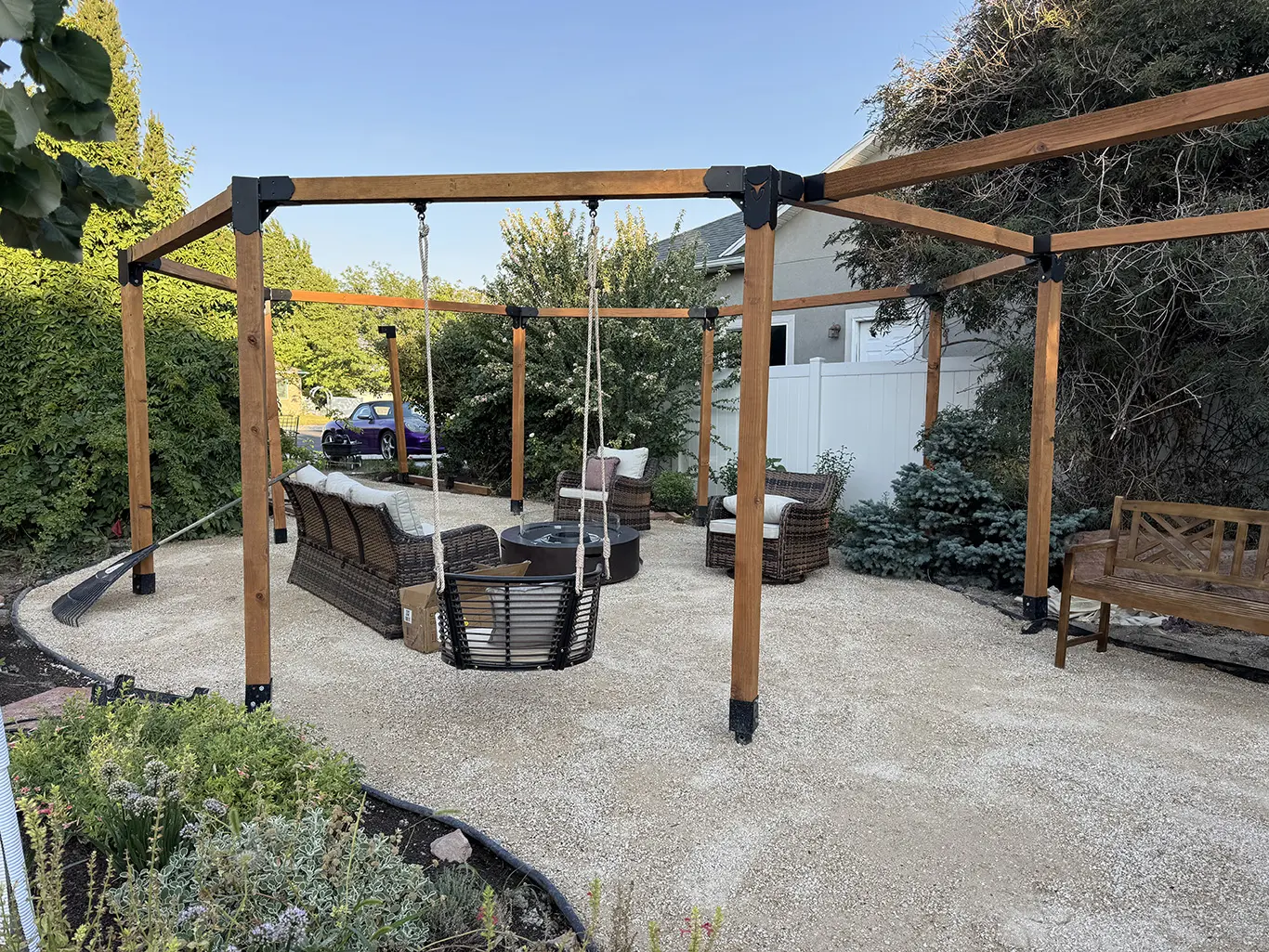
The next step is to place any gathering areas (like patios and decks) and activity zones (like playsets, trampolines, or hot tubs) outside your lawn. Many people like to have them on top of grass, but placing them outside of it can save you time and maintenance from mowing and irrigating around them.
.jpeg)
4. Paths
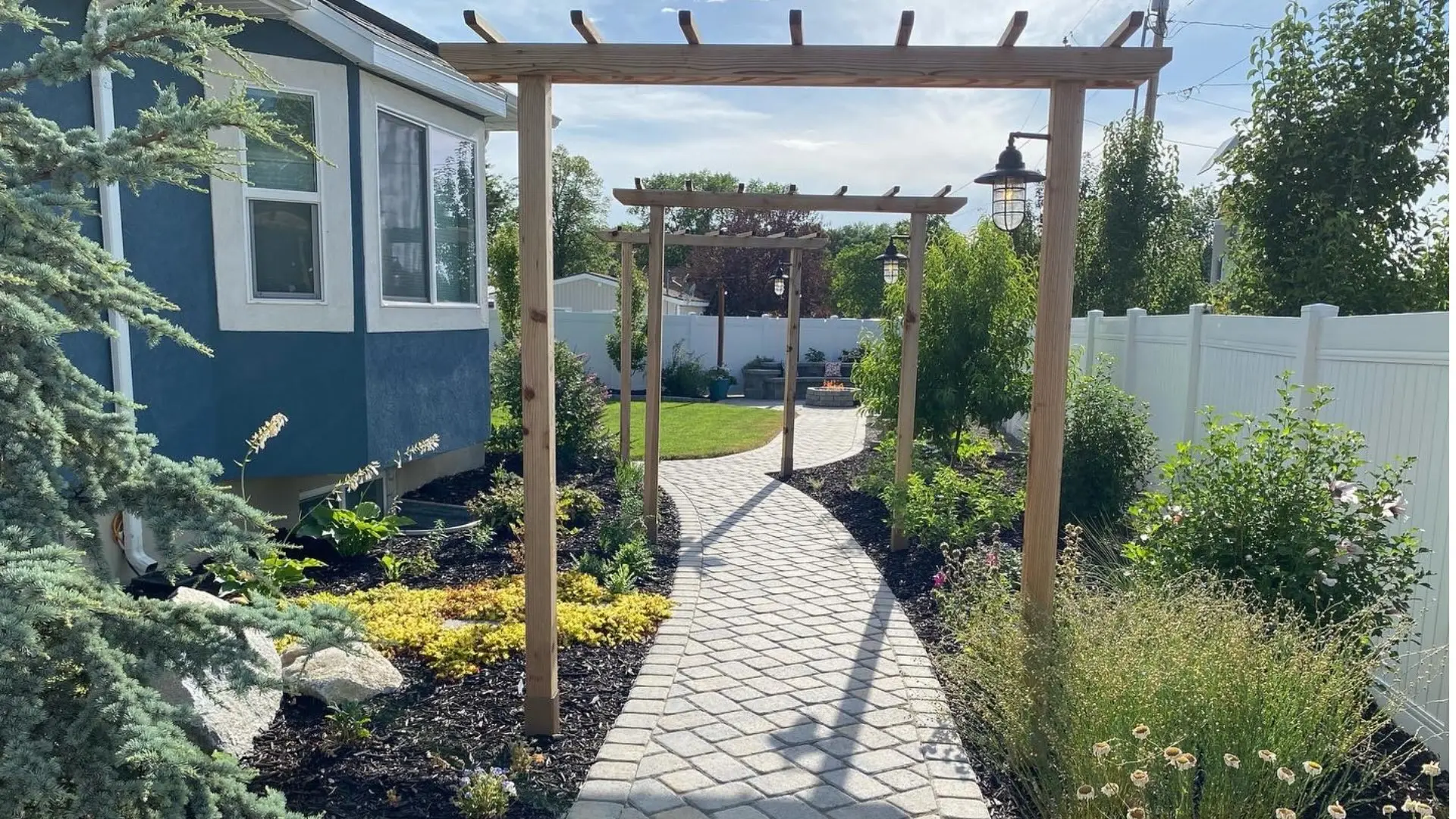
Many houses have small, narrow side yards on one or both sides that effectively serve only as pathways. They take effort to irrigate and maintain, but when switched to a designated pathway, they save water and improve the flow of foot traffic to other parts of your landscape.
.jpg)
5. Planting beds
Not to be confused with raised gardening beds, which would go in the “activity zone” category, planting beds refer to all the space that surrounds your hard surfaces (patios, walkways) and your central open shape. Utah-friendly trees, shrubs, and perennial plants are vital for providing shade, visual interest, and habitat for wildlife such as birds, bees, and butterflies. Watering these plants with a drip system is ideal.
Where to Start
Getting started can feel extremely daunting, especially if you have established landscaping and want to change things up.
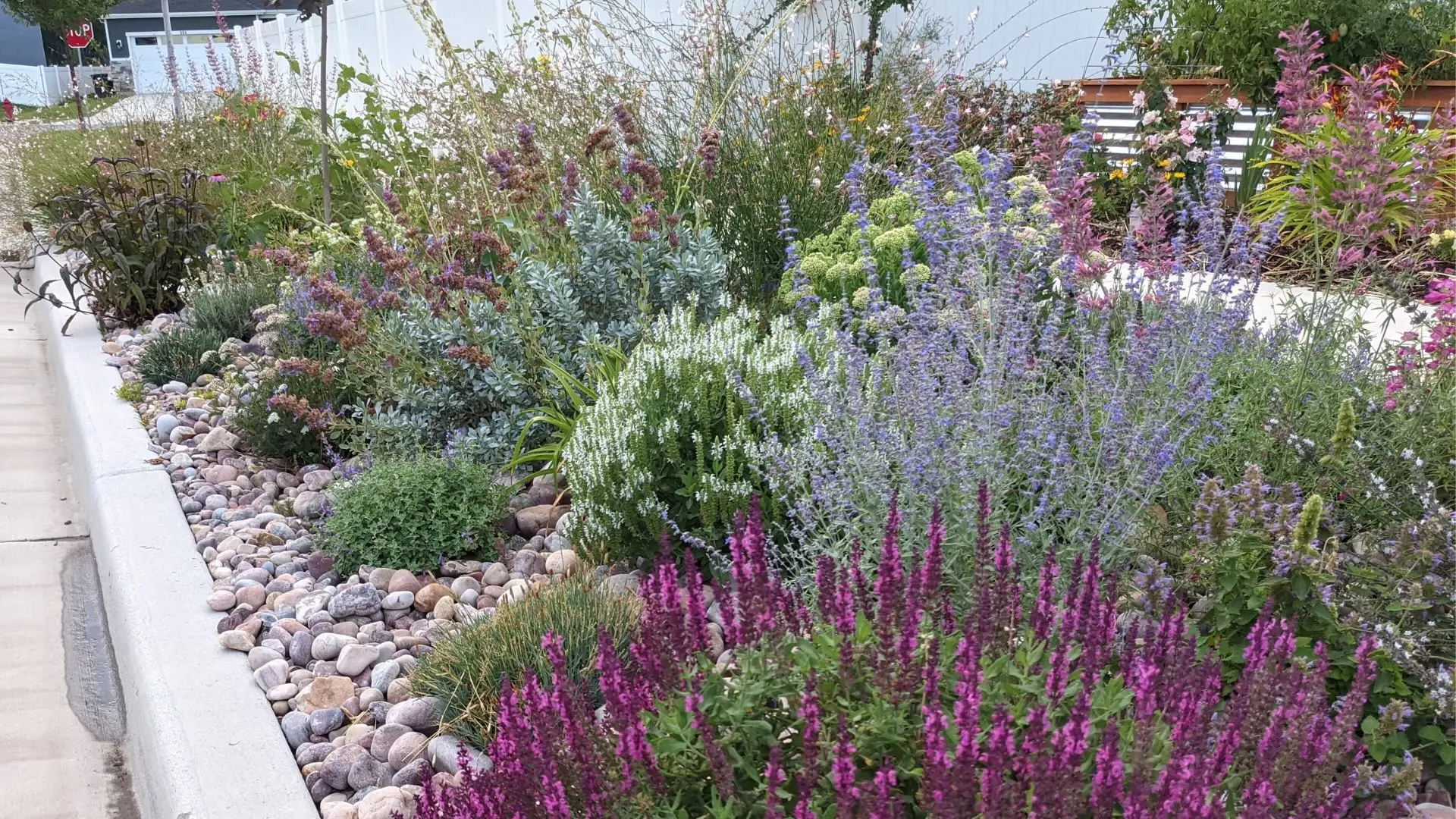
Bee encourages people to consider places where they don’t or can’t use grass effectively, like park strips (the area between the sidewalk and the road).
Park strips are typically the first project that homeowners are encouraged to tackle when approaching a localscaped design.
Both the Jordan Valley Conservation Park and the Localscapes website have multiple free park strip designs and resources to get started, including lists of waterwise, Utah-friendly plants. You can find their website by simply googling “localscape”.
.jpeg)
You can also tour conservation gardens in person for inspiration. Since Utah’s geography and growing conditions vary greatly from Logan to St. George, the best plants for your area are going to be different from those in another. Residents of Southern Utah could visit the Red Hills Desert Garden in St. George, which features hundreds of plant species, native fish, and dinosaur tracks. Residents of central Utah could visit Sego Lilly Gardens in Sandy, a 2.5-acre water-wise garden funded and maintained by the Sandy City Public Utilities Department, or, of course, the Conservation Garden Park in West Jordan.
Local county conservation districts across the state can also provide resources and educational classes specific to your area. Simply Google “(Your County) Water Conservation District” to find the closest resources to your area.
Local nurseries will also have great suggestions for plants that do well in your area and can help you pick out varieties that meet the needs of your landscape plan (shade vs. full sun, etc.).
Another barrier to localscaping is cost. Plants, irrigation systems, and other supplies are expensive. The Jordan Valley Conservation Park developed Utah Water Savers as a way for the customers to apply for landscape incentives. They are also supported by the Utah State Legislature and other conservation districts in Utah and offer grants and compensation opportunities for waterwise planting, tree planting, and installing drip systems. You can check your eligibility to apply at utahwatersavers.com.
If this all still feels daunting, remember you don’t have to overhaul your entire landscape right now.
“Focus on a small, low-risk, attainable project to start,” Bee said. “It’s okay to go slow so you can have success.”
And remember the benefits of localscaping to stay motivated. Well-designed and executed landscapes can give you and your family more enjoyment and usefulness in your space. It will also decrease your water bill and be more in line with our natural environment and climate.
“At the end of the day, we all benefit from having an adequate water supply,” Bee said. “And [everybody benefits from] farmers having water to grow food.”
Want more news on this topic? Farm Bureau members may subscribe for a free email news service, featuring the farm and rural topics that interest them most!