
Western State Farm Bureaus Gather in Nevada to Discuss Issues Facing Agriculture and Rural Communities
Author
Published
7/31/2026
The Nevada Farm Bureau Federation recently hosted the annual Western State Farm Bureau Presidents, Administrators, and Government Affairs Directors Conference in Reno, Nevada, bringing together Farm Bureau leaders from across the West to discuss issues affecting agriculture, rural communities, and the future of the region.
Each year, this rotating conference provides an opportunity for Western Farm Bureau organizations to share ideas, highlight legislative accomplishments, compare experiences, and work together on issues that cross state lines. As Western states often face many of the same challenges related to water, energy, public lands management, economic development, and rural communities, these conversations provide a valuable opportunity to learn from neighboring states and bring those lessons back home. This year's discussions covered a range of topics, including public lands management, grazing regulations, data center development, water use, and energy.
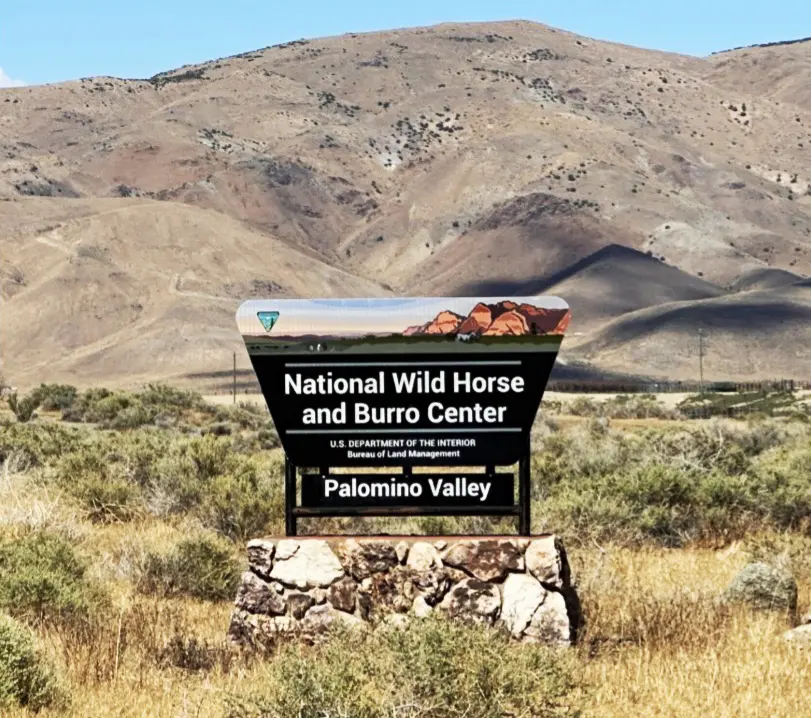
A highlight of the conference was a tour of the Bureau of Land Management's Palomino Wild Horse and Burro Management Facility. The group also heard from Karen Budd-Falen, Associate Deputy Secretary at the U.S. Department of the Interior, who provided an in-depth discussion of the BLM's proposed grazing regulations. Budd-Falen also joined the group for the tour of the BLM facility, providing an opportunity for Farm Bureau leaders to discuss public lands and grazing issues firsthand.
.jpg) Karen Budd-Falen, Associate Deputy Secretary, U.S. Department of the Interior, speaking to Western State Farm Bureau Presidents.
Karen Budd-Falen, Associate Deputy Secretary, U.S. Department of the Interior, speaking to Western State Farm Bureau Presidents.
Data center development was a significant topic of discussion. Jay Bragg, Associate Director of Commodity & Regulatory Activities and Government Affairs at the Texas Farm Bureau, shared insights into the rapid growth of data centers and the potential impacts on water, energy, infrastructure, agriculture and local communities.
Bragg discussed Texas’ experience with the rapid expansion of data centers and the challenges that come with accommodating large new demands for electricity and water. Texas has seen significant interest in data center development, with concerns ranging from grid capacity and infrastructure costs to water use, traffic, noise, land use and the preservation of agricultural lands. The discussion also highlighted the importance of transparency, thoughtful siting, and ensuring that new development accounts for impacts on existing communities and industries.
The experience in Texas offers lessons for other Western states, including Utah, as data center development continues to grow. Although counting methods vary, the American Farm Bureau Federation recently reported that Utah is home to 52 data centers either active or under construction, while Texas is home to 580. Participants discussed the importance of considering water availability, energy needs, infrastructure, and impacts on agriculture and rural communities when evaluating future development.
The group also heard from Tom Burns, Director of the Nevada Governor's Office of Economic Development, and participated in discussions about economic development and the opportunities and challenges associated with attracting new industries to Western communities.
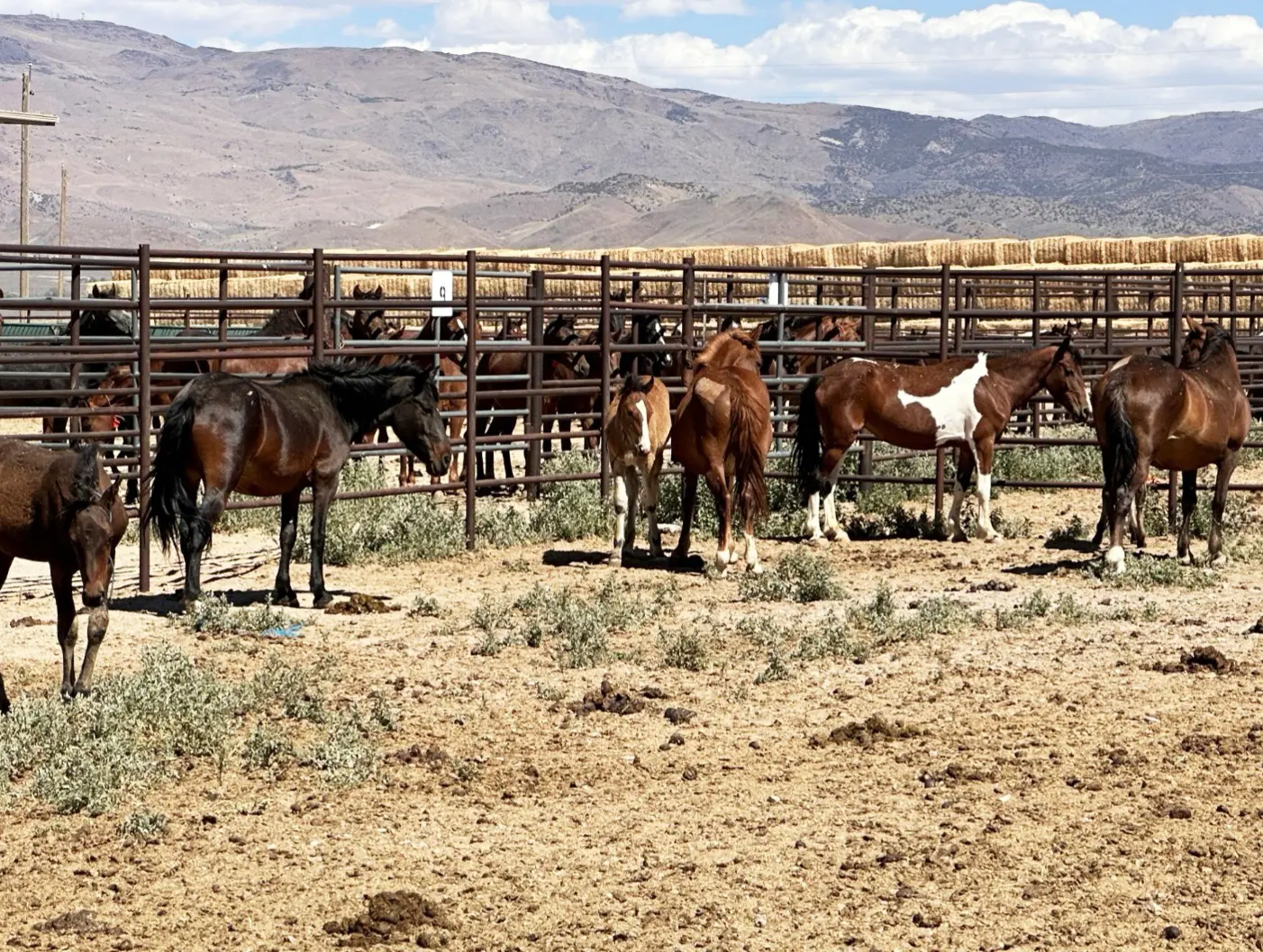 Wild Horses Housed at BLM's National Wild Horse and Burro Center Palomino Valley
Joby Young, Executive Vice President of the American Farm Bureau Federation (AFBF), also joined the conference. His participation provided an opportunity for Western Farm Bureau leaders to discuss issues affecting agriculture at both the regional and national levels and strengthen coordination between state Farm Bureaus and AFBF.
For the Utah Farm Bureau Federation, conferences like this provide a valuable opportunity to learn from the experiences of neighboring states, share Utah's perspective, and strengthen relationships with Farm Bureau leaders throughout the West. Continued collaboration among Western Farm Bureau organizations remains an important part of advocating for farmers and ranchers as the region navigates the challenges and opportunities ahead.
Want more news on this topic? Farm Bureau members may subscribe for a free email news service, featuring the farm and rural topics that interest them most!