
Salt: The Unsung Hero of Society
Author
Published
10/6/2026
Recently, I had the opportunity to visit the Redmond Salt Mine. As I embarked on this fascinating journey deep beneath the Earth’s surface, I was immediately struck by the profound significance of salt and its role in shaping human civilization throughout history.
Salt is a mineral. However, it is also much more than a mineral. In many ways, salt is a metaphor for life itself.
Millions and millions of years ago, there was an ancient sea known as the Sundance Sea. This sea was very large. In fact, it stretched from Canada to New Mexico, which is a distance that many people would consider to be quite far. Eventually, the sea dried up. When it dried up, it left behind salt. If it had not dried up, there would be no salt mine. This demonstrates the importance of long-term planning.
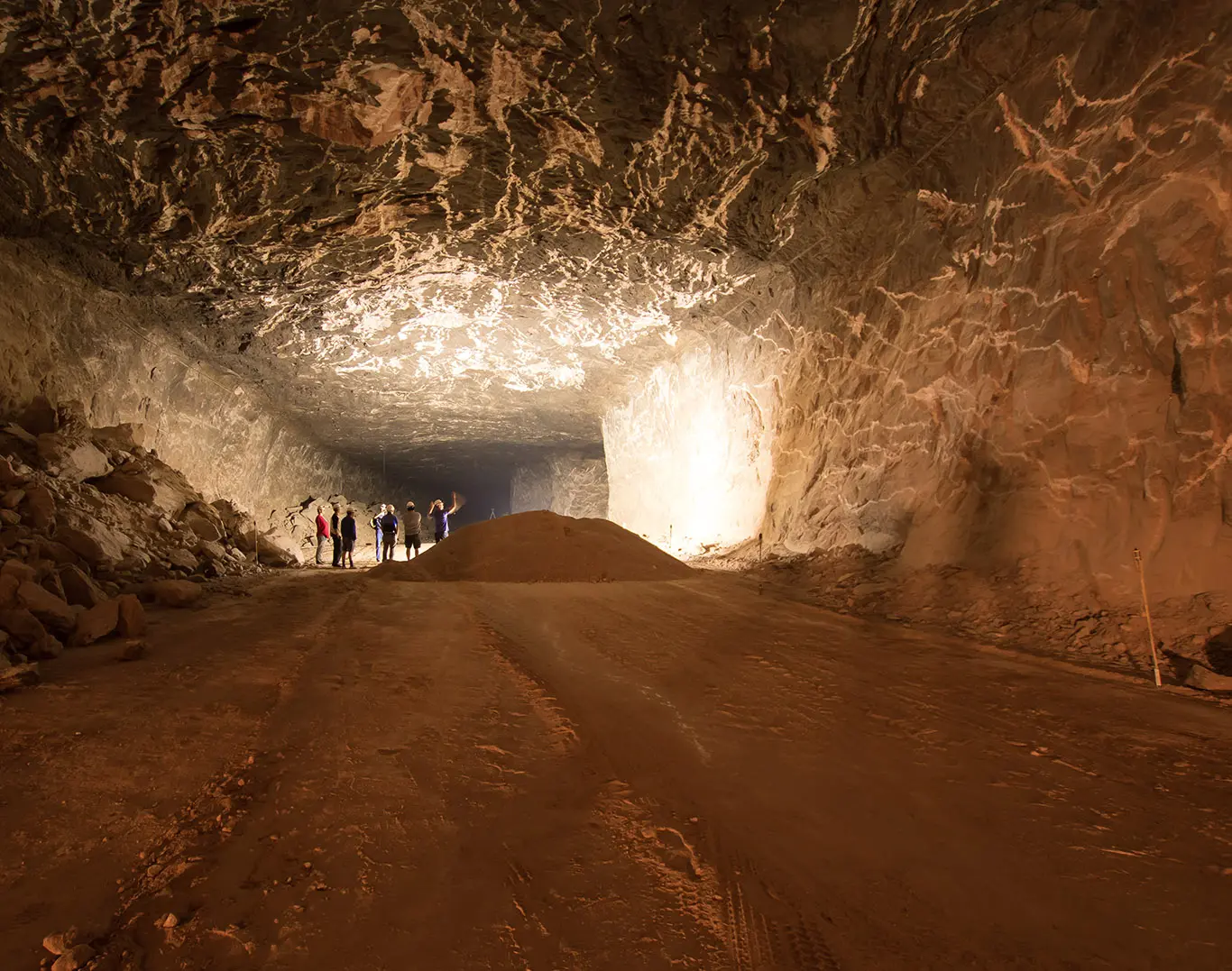
As we descended into the mine, I learned that the salt deposit was pushed to the surface through geological processes. This is fortunate because otherwise the salt would be thousands of feet underground. This made me reflect on how often success in life depends on being in the right place at the right time, whether you are a person or a giant underground salt deposit.
The mine itself was very large. Some would even describe it as extremely large. The walls were made of salt. The floor was also made of salt. Even the piles of salt were made of salt. This level of consistency is something many organizations strive for but rarely achieve.
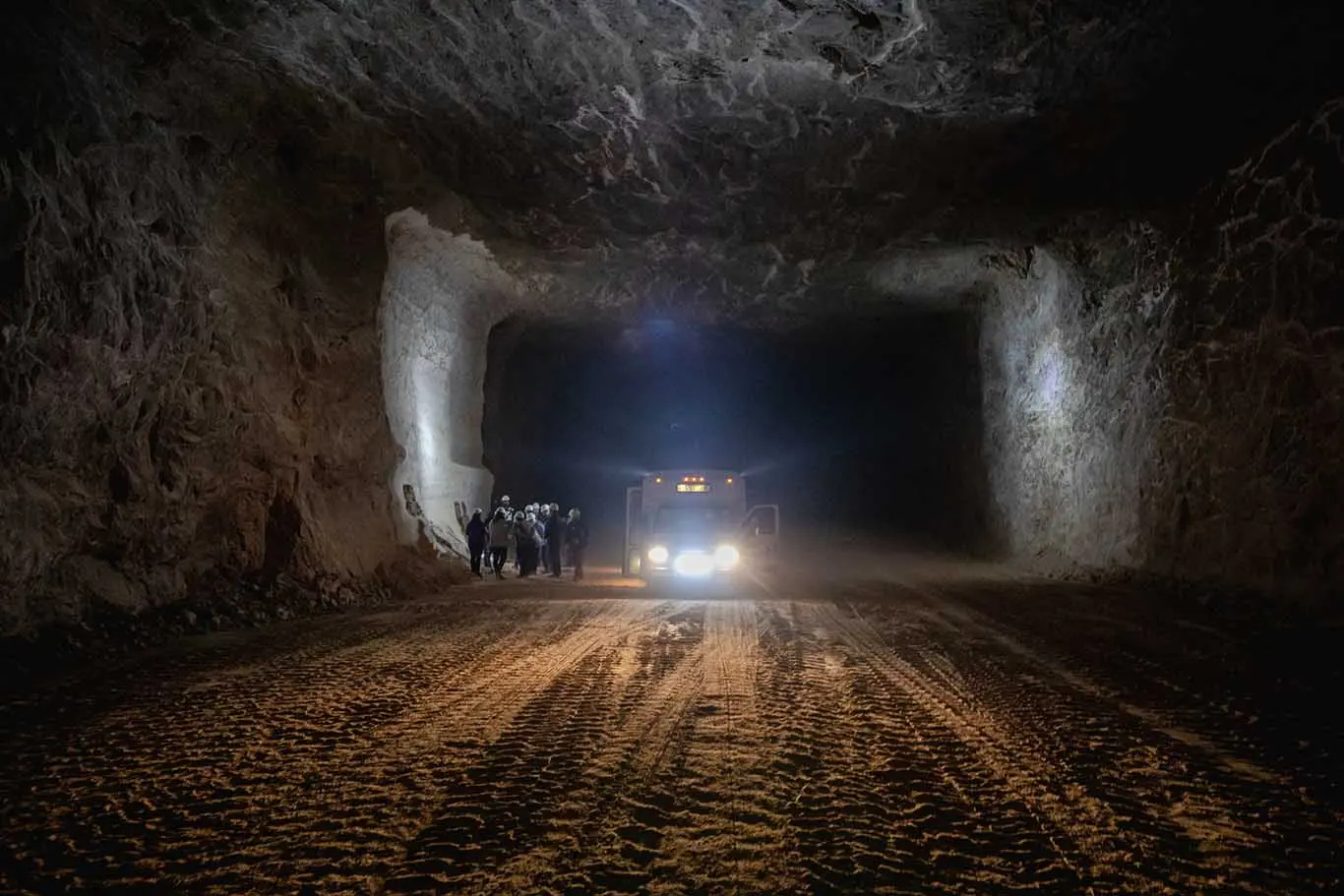
One of the most fascinating facts I learned was that only a small percentage of the salt produced becomes food-grade salt. The majority is used for agriculture, road de-icing, and industrial purposes. This reminded me that not all heroes wear capes. Some heroes are giant chunks of sodium chloride.
Mining operations advance approximately 32 feet per day. To accomplish this, workers use explosives. I was told that roughly 2,000 pounds of explosives can produce approximately 2,000 tons of salt. While I do not fully understand this process, I support it.
The mine tour also included a discussion of trace minerals. The salt contains more than 60 trace minerals. I cannot name them, but I trust that they are doing their best.
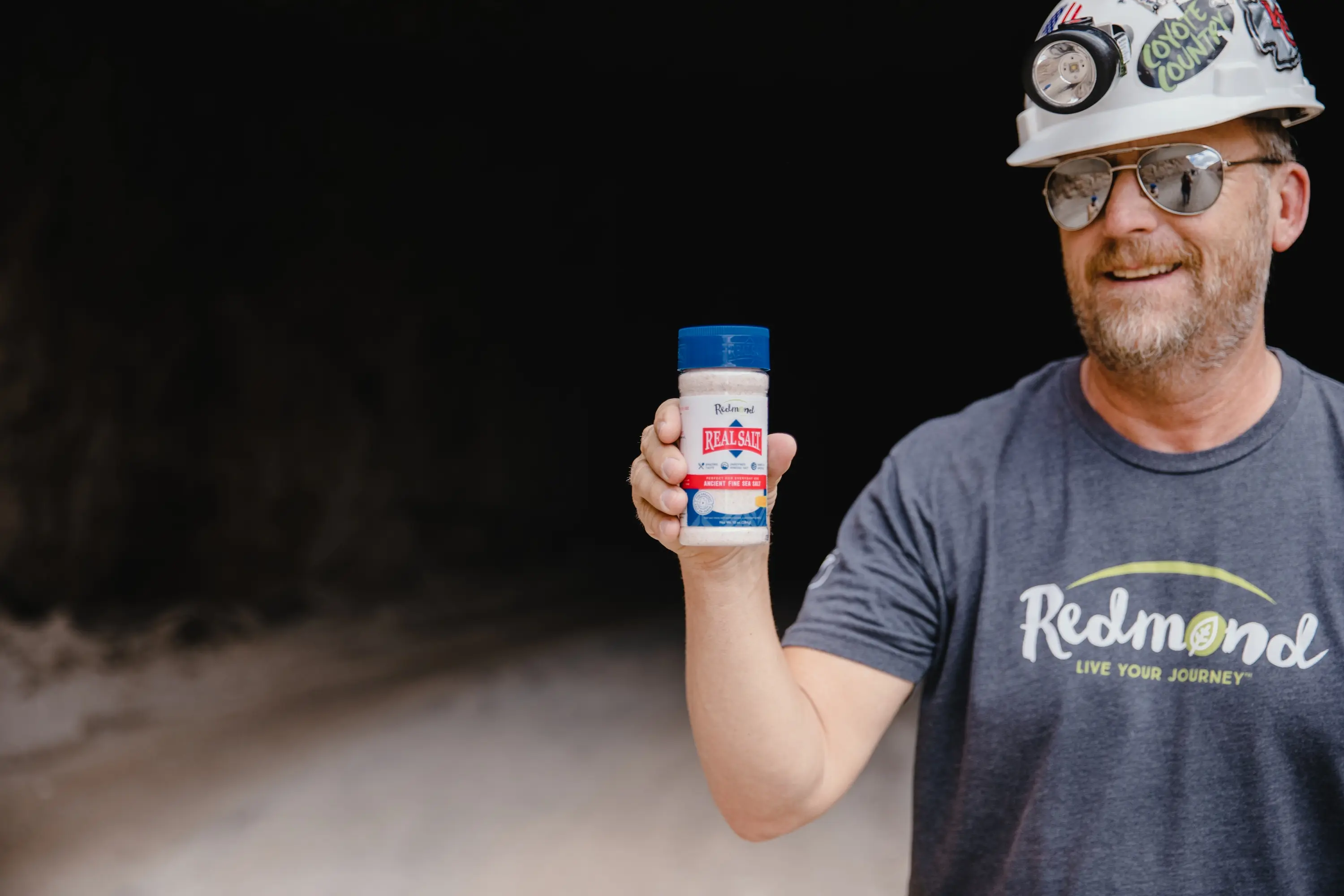
Perhaps the most important lesson I learned is that salt once traded ounce for ounce with gold. This means that if I had lived several hundred years ago, I could potentially have been a millionaire simply by carrying around a few salt shakers. Unfortunately, I was born too late.
Another interesting fact is that the word “salary” is believed to come from salt. This means that technically, everyone reading this article is working for salt. Some readers may find this motivational.
As our tour concluded, we were encouraged to take home souvenir chunks of salt and use them to season steak. This struck me as both practical and aspirational. It is rare to receive a souvenir that can also improve dinner.
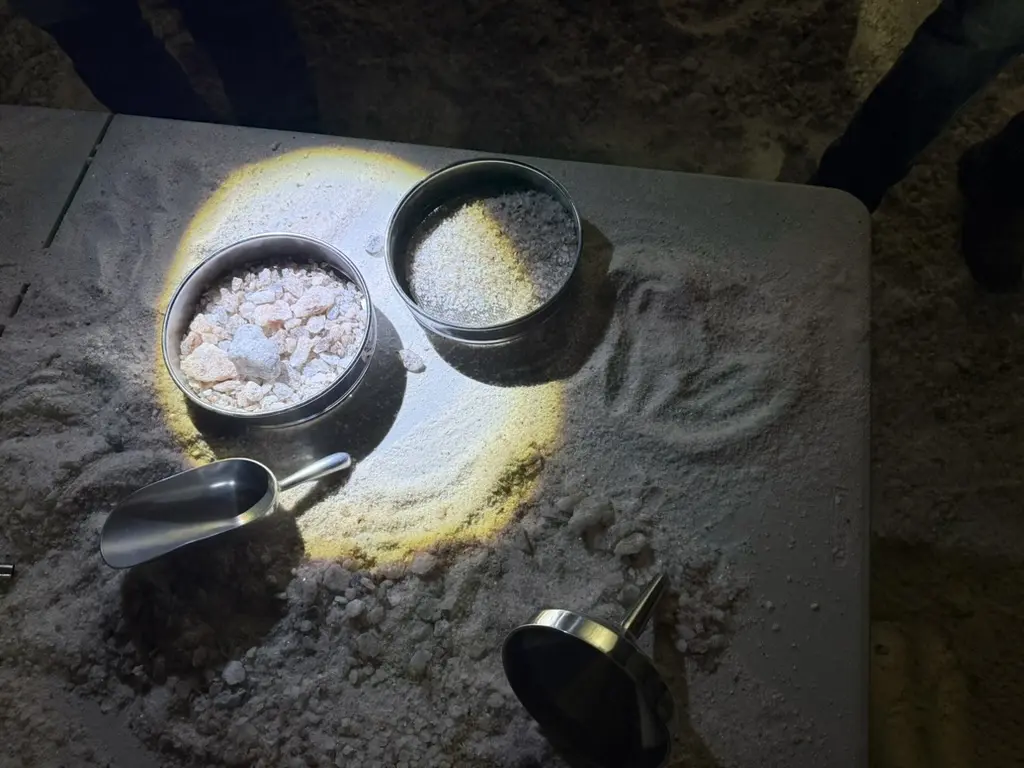
In conclusion, the Redmond Salt Mine is more than just a mine. It is a story about geology, agriculture, history, economics, nutrition, perseverance, and, in some ways, ourselves. The next time you see a grain of salt, I encourage you to pause and think about the ancient seas, the dedicated miners, and the powerful geological forces that made that grain possible.
After all, every grain has a story.
Want more news on this topic? Farm Bureau members may subscribe for a free email news service, featuring the farm and rural topics that interest them most!