
The Colorado River – Time to Worry?
Author
Published
3/30/2026
Farms don’t run on good intentions. They run on water. And right now, the Colorado River system that so many Utah producers depend on is in serious trouble.
Here are the numbers: Lake Powell is at about 25 percent capacity. This winter's snowpack in the Upper Basin is the lowest in 25 years. The Bureau of Reclamation projects Powell could lose hydropower generation at Glen Canyon Dam by December and hit its lowest recorded elevation by March 2027. These aren’t scare tactics. That's just where the water is - or isn't.
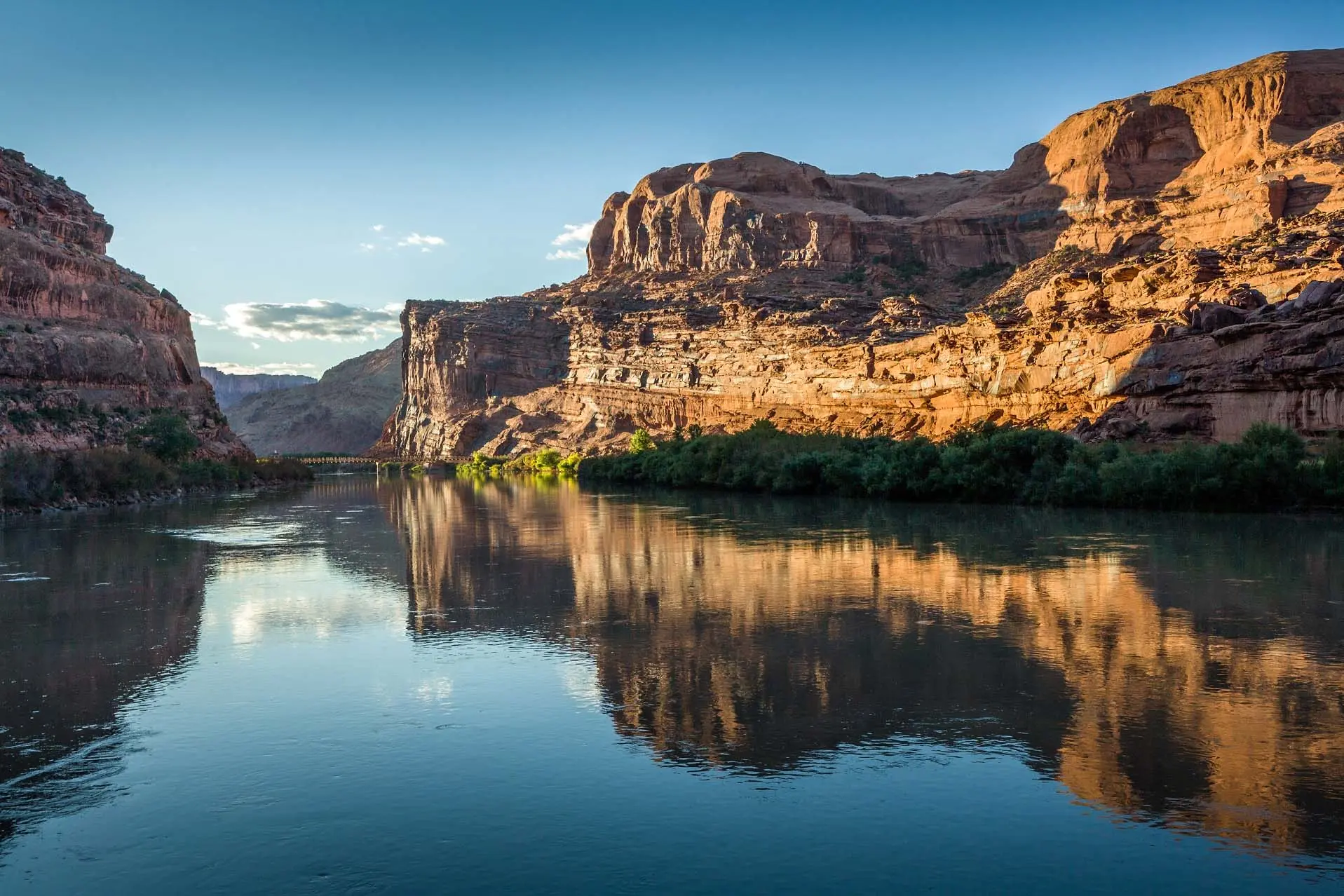
Most of Utah's Colorado River water goes to agriculture. That water isn't wasted. It grows hay, raises beef, and keeps small towns alive.
As you’ve likely heard, the February 14th federal deadline passed without a deal. The Upper Basin states offered a serious proposal. The Lower Basin rejected it. What they’re demanding in return is significant: mandatory cuts Utah has no legal obligation to make, operational control over upstream reservoirs like Flaming Gorge, and no protection against compact litigation if Utah makes concessions anyway. Utah negotiates in good faith. But good faith runs both ways.
Our position has been consistent: Upper Basin water users already absorb real reductions every dry year because our supplies depend directly on what nature delivers. There's no reservoir propping us up the way Lake Mead props up Arizona and California. Asking us to layer mandatory cuts on top of that isn't a compromise. It’s asking us to fix a problem we didn’t create with water we don’t have.
There is still a window. Negotiations haven’t collapsed entirely, and a shorter-term agreement remains possible before the Bureau of Reclamation finalizes its own operating rules this summer. But a new framework must be in place by October 1st. That is a hard deadline, and the clock is ticking. If states don't reach a deal, the federal government imposes one, and expensive, long-running litigation becomes a real possibility on top of that.
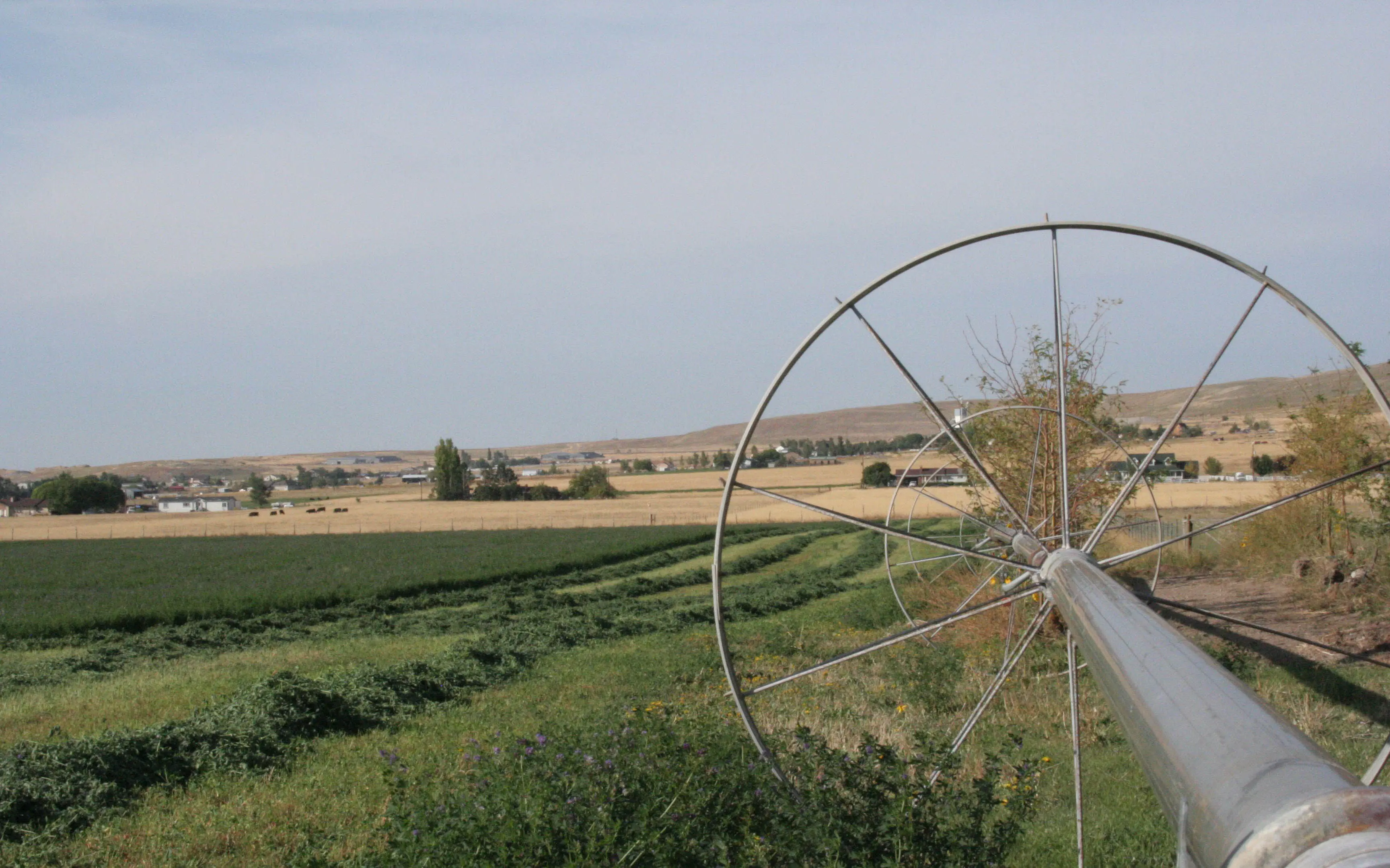
The decisions made in the next few months will shape how much water Utah farmers can count on for the next two decades. That affects planting decisions, herd sizes, and whether the next generation can afford to stay on the land.
The Colorado River Authority of Utah is in these negotiations every day with that in mind. We are protecting Flaming Gorge, defending Utah’s rights under the 1922 Compact, and pushing back on proposals that would shift the burden onto our producers.
Utah’s Ag community needs to stay engaged. Talk with your local water leaders. Work with the Utah Farm Bureau. Attend the next Colorado River Agriculture Advisory Council meeting. And know that we’re in the fight every day to protect the water that keeps Utah’s farms and ranches running.
Want more news on this topic? Farm Bureau members may subscribe for a free email news service, featuring the farm and rural topics that interest them most!