
The Ronald McDonald House- A Personal Experience
Author
Published
3/20/2026
When you order food at McDonald’s, you might remember being asked if you want to round up your total to donate to the Ronald McDonald House Charities. Whether or not you choose to donate, the charity might seem abstract and disconnected from your daily life. Just another charity asking for money to do (hopefully) good things.
But what is the Ronald McDonald House? If you’re like me, you may have wondered why the signature clown mascot needed a house. As an adult, the Ronald McDonald House Charities has played a role in my personal life in a couple of different ways, both on the giving and the receiving end.
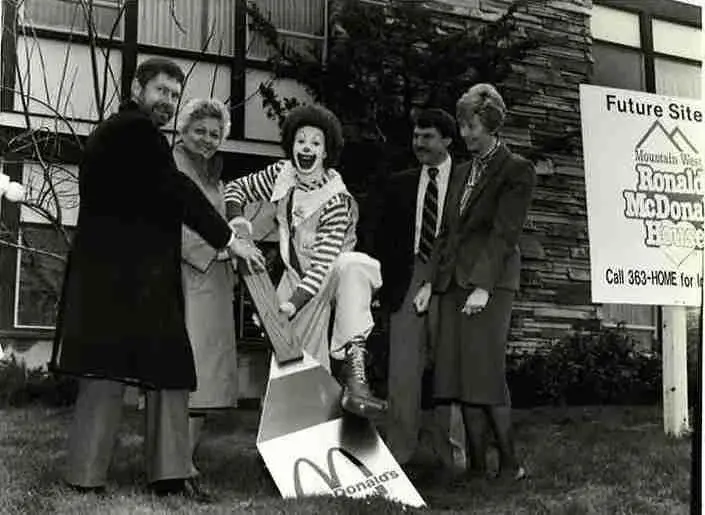
The Ronald McDonald House is a global charity with “chapters” across the United States and additional programs in 62 countries. It first started with a house in Philadelphia in the 1970s when the daughter of Fred Hill, a football player for the Philadelphia Eagles, was diagnosed with leukemia in 1974. His experience led him to advocate for a place to support families while their children received care at nearby hospitals. Fred collaborated with Dr. Audrey Evans, who co-founded the charity and brought this vision to life.
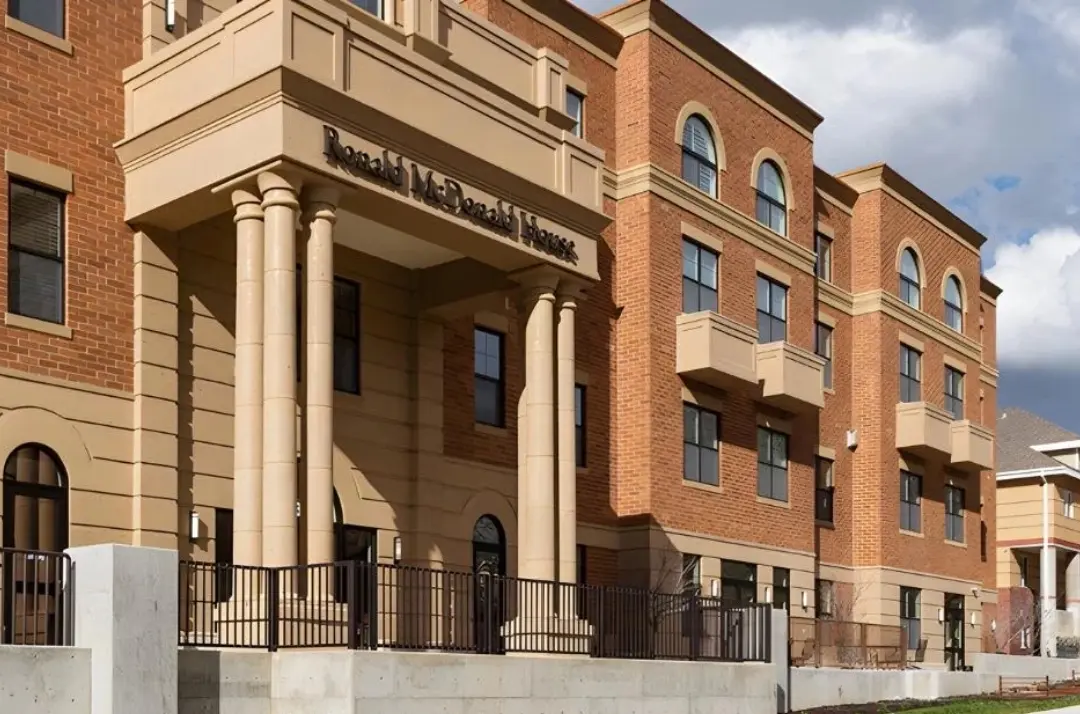
Salt Lake City has our very own Ronald McDonald House (RMH). It is essentially a hotel, but with a communal feel and focus. They provide private rooms for families to stay in for free while their children receive care at nearby hospitals. RMH considers the needs of families who might be there long-term by providing entertainment rooms for siblings, a full-service kitchen, reflection/worshiping rooms, and many additional programs and resources.
There are also Ronald McDonald rooms at Intermountain Primary Children’s hospitals and the University of Utah Newborn ICU, where families and patients can visit to relax, eat, and play while in the hospital.
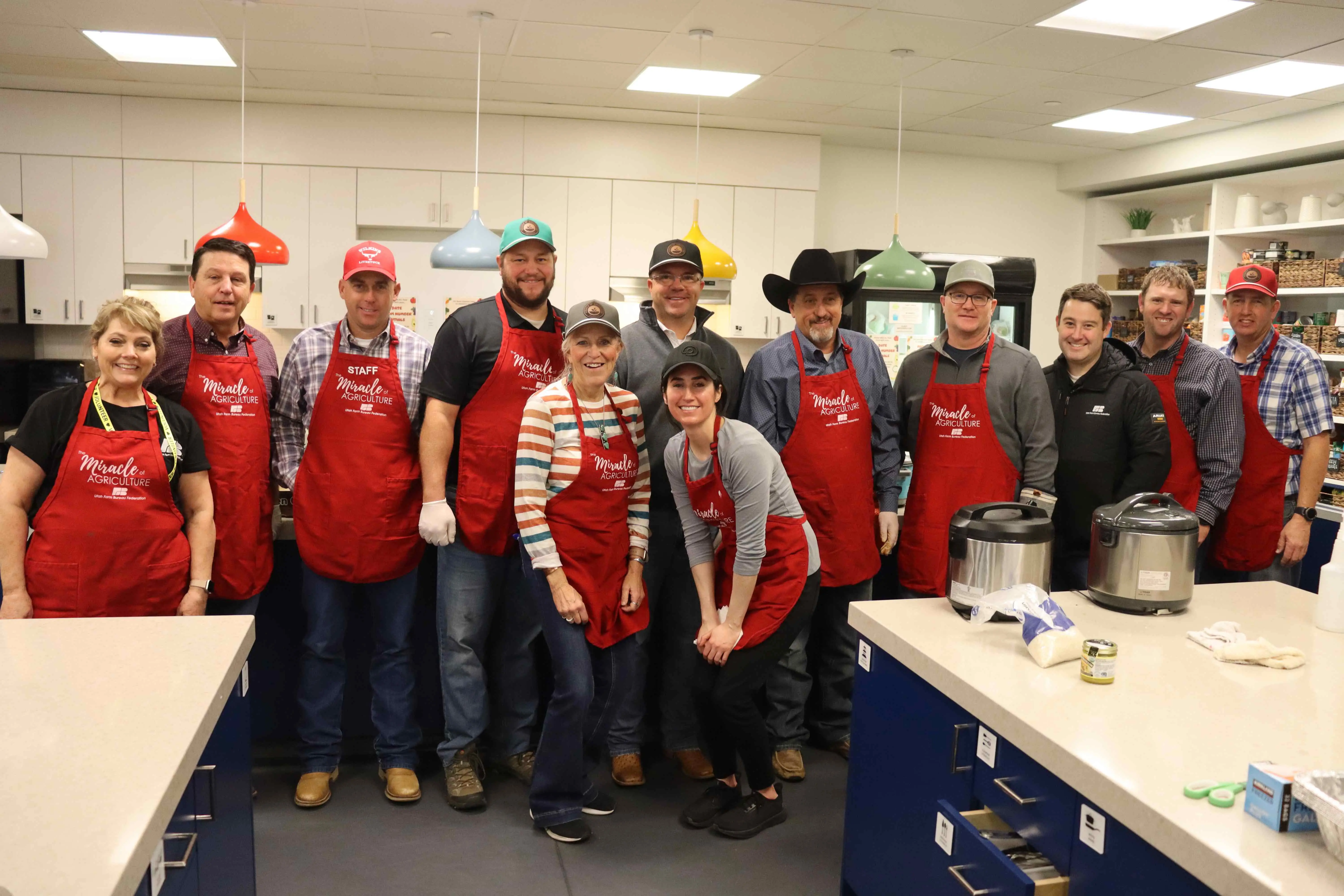
I was first introduced to the Ronald McDonald House in Salt Lake City as an employee of Utah Farm Bureau, since they are one of our chosen charities. Groups or individuals can volunteer to provide a meal for the families staying in the house, and as a staff, we signed up to cook lunch. It was an extremely meaningful and fulfilling service activity. We could see how much the meal meant to families who were struggling with a sick or sometimes terminally ill child. Many families travel across the country and even across the world to receive care, and not having to worry about what they will eat each day lifts a huge burden from their shoulders. The Utah Farm Bureau Board of Directors has also volunteered to cook meals at the Ronald McDonald House, with our charitable arm – the Miracle of Agriculture Foundation – donating protein from Utah to RMH to use for future meals.
Being on the giving end was a special experience for me, but I didn’t fully grasp the impact of the charity's work until I was on the receiving end. In May of this year, my 6-year-old son and I spent a week at Intermountain Primary Children’s Hospital in Salt Lake. The stay was unexpected and extremely emotionally and physically exhausting for my son and me. On the first day we were there, we discovered the Ronald McDonald Room on our floor, and it quickly became a lifeline for us. It provided a space that didn’t feel like a hospital, where we could go to eat free meals, read books by the fireside, or play with toys. They were also able to provide some helpful supplies, like a phone charger, toiletries, and activity books.
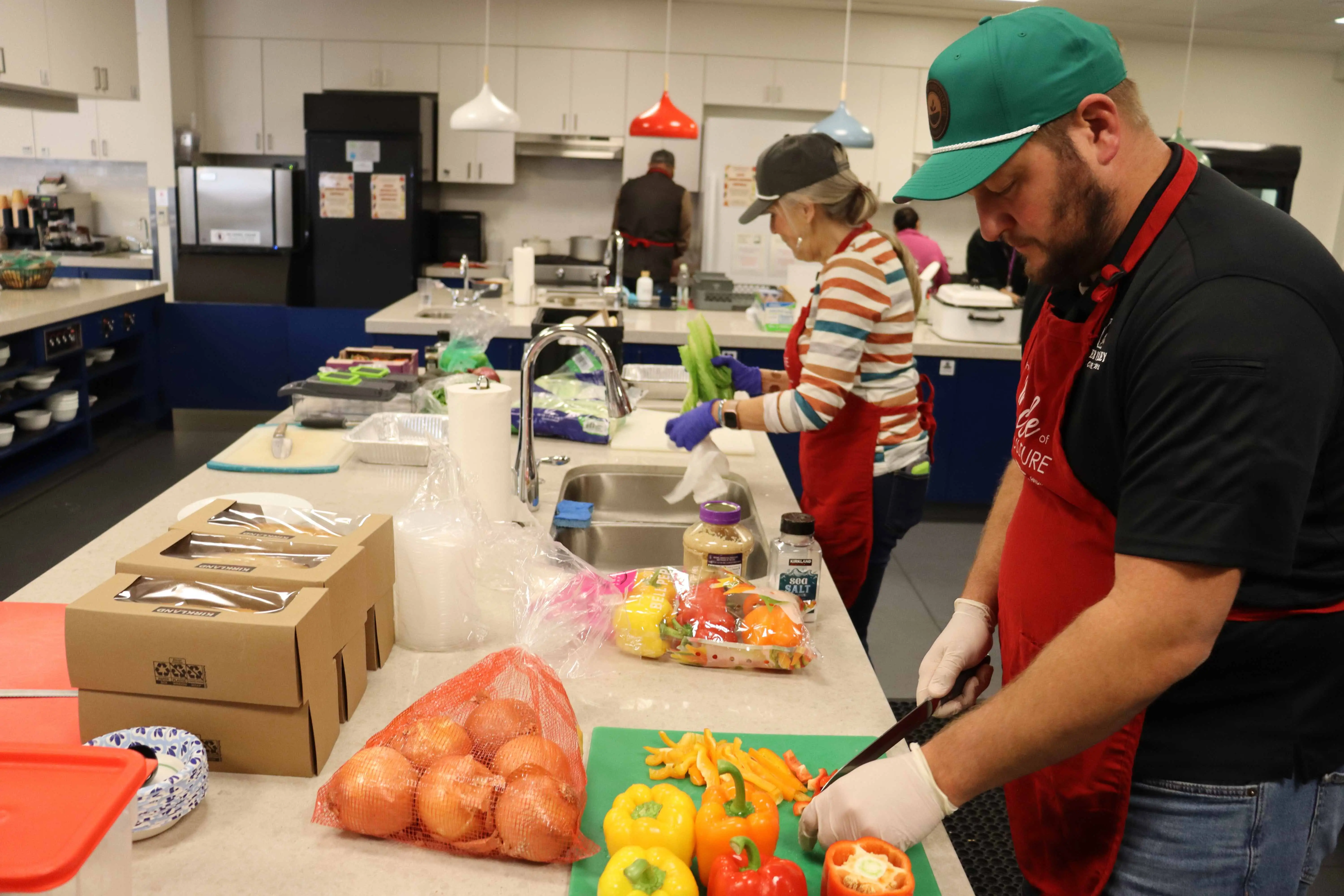
Volunteers can also sign up to bring in meals just like at the Ronald McDonald House. I teared up every time I went through the line, because I knew what it was like to be on the side serving the food, and now I felt what it was like to be on the receiving end. I could not express enough how grateful I was for their generosity. They were not only sacrificing their time, but also provided all the food they served on their own dime. It seems like such a little thing, but being able to eat hot, homemade meals every day when I was so vulnerable and stressed is one of the most meaningful gifts I’ve ever received. And even when there isn’t a meal on the schedule, the Ronald McDonald Room staff keep the kitchen stocked with snacks and drinks.
Now, every time I eat at McDonald’s, I always round up my purchase to donate to the charity, as they are the Ronald McDonald House’s Mission Partner and largest corporate donor, but there are other ways to donate as well. If signing up to provide a meal isn’t feasible, they accept toiletries and household items, monetary donations, and even soda can tabs for recycling. The Utah Farm Bureau Women’s Leadership Committee collects these items for donation at local Farm Bureau events, so save your soda tabs and unused hotel toiletries! If you’re in Utah, you can find all the ways to give at www.rmhcslc.org.
Like many things in life, we often aren’t aware of something until it affects us. To quote the Ronald McDonald House in the Intermountain Area’s website, “Parents don’t know when their children will need medical help. But they should know they can always access the care they need. And with your help, we can support them all throughout their journey.”
Maybe you, like me, will become one of the 125,000 families they have helped so far. But even if not, you can still help make a difference to those who do need it.
Want more news on this topic? Farm Bureau members may subscribe for a free email news service, featuring the farm and rural topics that interest them most!