
Utah Farm Bureau Water Academy Highlights Water Planning, Drought Management, and Water Rights Issues
Author
Published
6/19/2026
The Utah Farm Bureau Federation recently hosted another edition of its Water Academy, bringing together Farm Bureau leaders, agricultural producers, and water policy experts to discuss some of the most pressing water issues facing agriculture and rural communities in Utah.
The virtual meeting featured presentations on Great Salt Lake Basin planning, groundwater management, drought decision-making tools, and a discussion about the role of canal and irrigation companies in protecting agricultural water rights.
Great Salt Lake Basin Planning
Laura Vernon, Great Salt Lake Basin Planner with the Utah Division of Water Resources, and representatives from Envision Utah led an interactive discussion on the Great Salt Lake Basin Integrated Plan. The plan is intended to serve as a roadmap for managing water in a way that supports a healthy Great Salt Lake while also maintaining a high quality of life and sufficient water for agriculture, communities, and the environment.
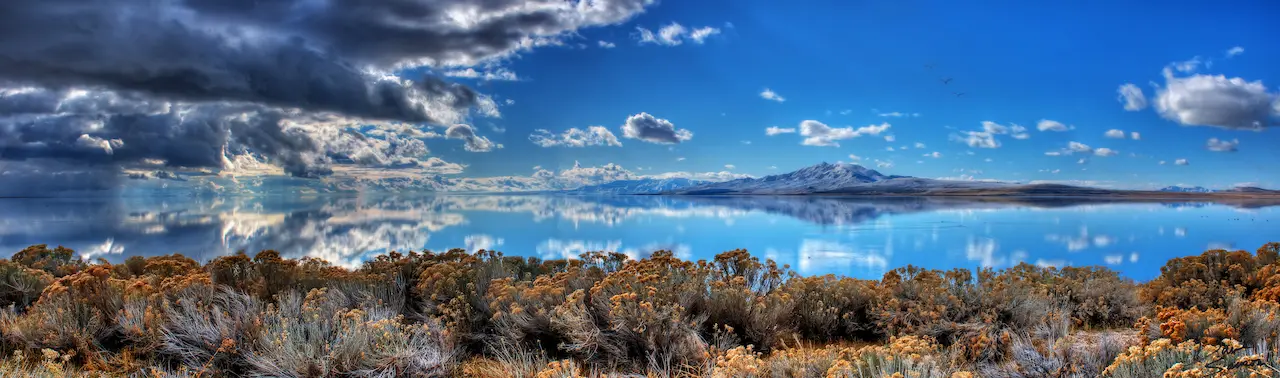
Participants discussed the need to ensure that agricultural voices are included in the planning process. Concerns raised included drought, invasive species, urban growth, the future viability of agriculture, and the need to make sure conserved water actually reaches the Great Salt Lake. Farm Bureau members also emphasized the importance of recognizing agriculture’s contributions to open space, wildlife habitat, return flows, and locally produced food.
You can read more about the Great Salt Lake Integrated Plan and take part in the open survey by clicking here.
Groundwater Management Plans
Jim Reese, Assistant State Engineer with the Utah Division of Water Rights, provided an overview of groundwater management plans and how they are used in over-appropriated groundwater basins. Jim’s presentation explained the principles of prior appropriation, safe yield, and the role of the State Engineer in managing groundwater withdrawals.
Reese also discussed the complexity of managing groundwater and surface water together, especially in areas where aquifers and surface flows are hydrologically connected. The presentation helped members better understand how scientific studies, public meetings, and long-term planning are used to guide decisions in basins facing groundwater challenges.
Drought Management Decisions
Dr. Ryan Larsen, Associate Professor/Extension Farm Management Specialist, Applied Economics Department, Utah State University, presented an economic decision-making tool designed to help ranchers evaluate drought-related management choices. The tool helps producers analyze questions such as whether to buy hay, reduce herd size, or make other adjustments based on feed costs, cattle prices, carrying capacity, and long-term replacement costs. Larsen emphasized that each operation is different, but the tool can provide a starting point for producers trying to make difficult financial decisions during drought. Utah State has provided these tools at farmanalysis.usu.edu.
Canal Companies and Water Rights Protection
Warren Peterson, Water Policy Advisor for the Utah Farm Bureau Federation, concluded the Academy with a discussion on mutual irrigation companies, water shares, and the importance of protecting agricultural water rights from speculative pressure and poorly planned transfers.
Peterson reviewed the difference between water rights and water shares, the importance of prior appropriation, and the need for canal and irrigation companies to have clear articles of incorporation, bylaws, and policies. He encouraged companies to work with legal counsel to strengthen their governing documents and prepare for shareholder change applications, especially as development pressure and interest in agricultural water continue to increase.
Utah Farm Bureau’s Water Academy continues to serve as an important forum for helping members better understand the legal, economic, and practical challenges surrounding water in Utah. As drought, growth, Great Salt Lake planning, and water rights issues continue to evolve, Utah Farm Bureau will continue working to ensure that agriculture is well-represented in policy conversations. You can review slides from the presenters by clicking here.
If you have questions about Water Academy or recommendations for future topics, please contact Terry Camp at terry.camp@fbfs.com.
Want more news on this topic? Farm Bureau members may subscribe for a free email news service, featuring the farm and rural topics that interest them most!