
Utah Fruit Farmers Dealt a Cruel Blow by the 2026 Freeze.
Author
Published
5/15/2026
Picture a getaway in a warmer climate to chase away the winter blues. The sun is shining, and you’re sporting shorts and a t-shirt while driving with the top down…in Utah…in March. Yes, with 80-degree temperatures on March 19th, things were looking good.
For those snowbirds who hate winters in Utah, 2026 might have felt like a dream. Moderate temperatures and hardly a snow day to disrupt outdoor activities or threaten drives on I-15 during January and February were followed by warmer-than-average temperatures throughout the state in March and April. Even some farmers and ranchers were enjoying the opportunity to get more work done on projects that are typically halted because of snow cover or freezing temperatures. But for fruit farmers in Utah, concentrated in microclimate growing areas of Utah, Box Elder, and Davis Counties, the early warm temps were the canary in the coal mine.
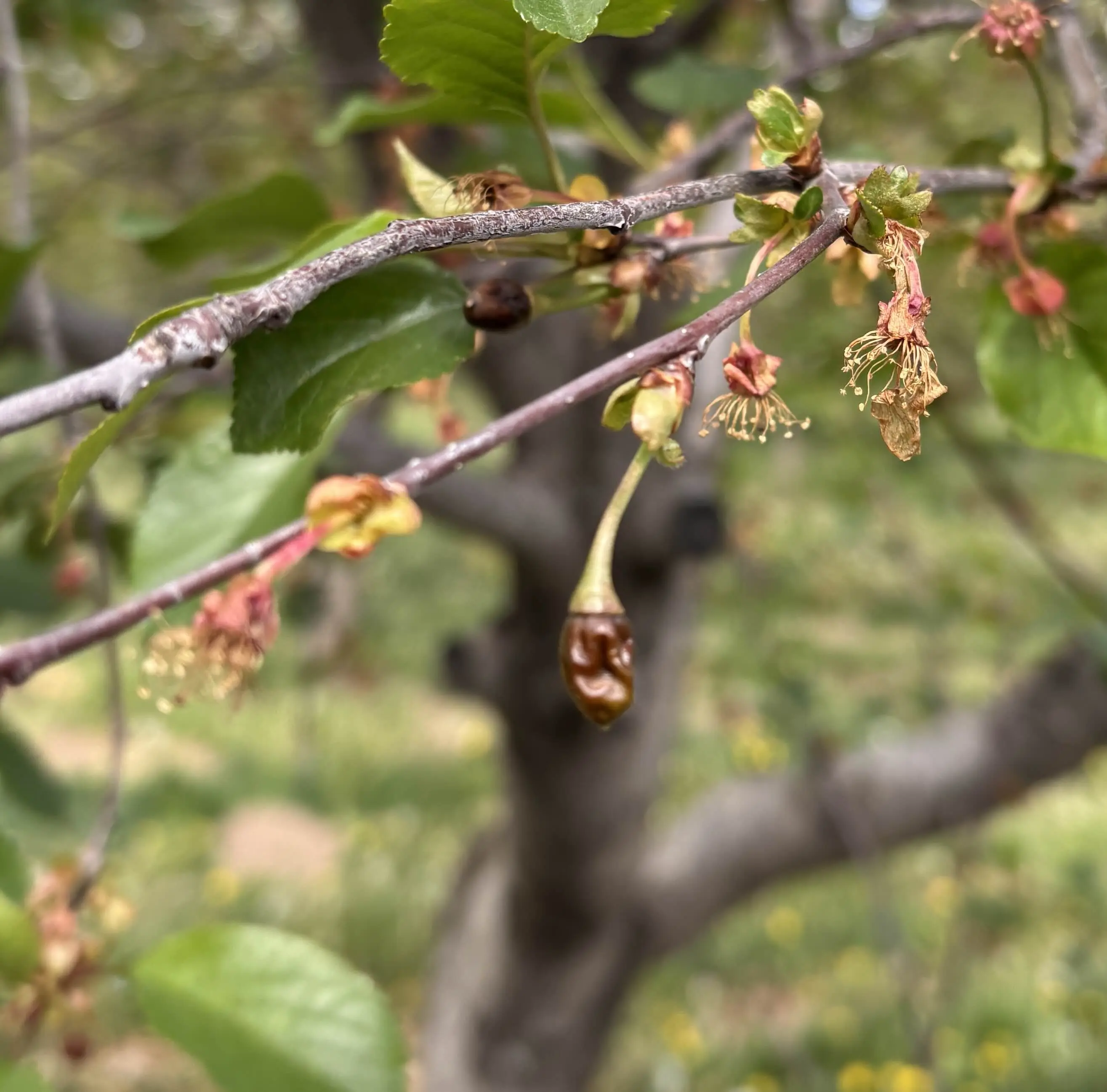
Total crop failure. A gut-punch. Complete wipe out. Never seen it this bad. Those are all ways that fruit farmers in Utah describe what took place in the middle of April when freezing temperatures in the low 20’s came, all after having the warmest winter in 131 years. Blossoms on growers’ tart and sweet cherries, peaches, apricots, apples, and pears were all approximately 3-4 weeks early, leaving them vulnerable to Utah’s typically volatile April weather.
Early harvests weren’t a worry for farmers, as they can adjust with picking crews and H-2A workers, but history was telling a cautionary tale to farmers in March.
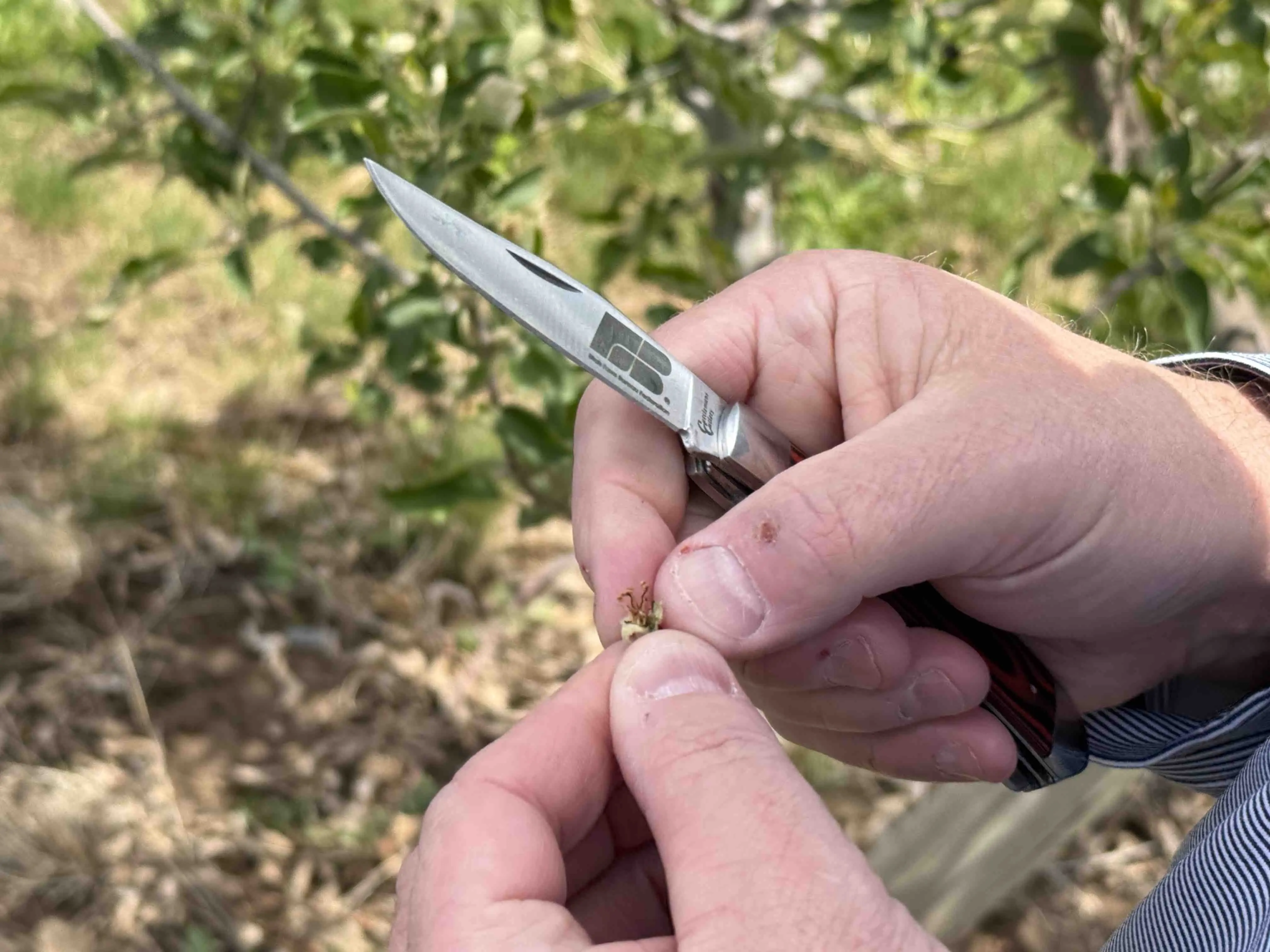
“I just want to wake up and have it be May,” said Chad Rowley, the manager of Payson Fruit Growers, in mid-March. Payson Fruit Growers is a co-op owned by farmers in Utah County that dries tart cherries grown in the region and provides the cherries and juice to customers. Once May arrives, it typically signals the end of worrying about freezing temperatures.
As trees typically bloom and bees arrive to pollinate, farmers watch forecasts carefully to see if they need to take what few measures they have to moderate the temperature. Farmers are armed with wind machines that pull down warmer air from up above and keep cold air from settling on fruit blossoms, as well as propane heaters and other strategies to keep buds alive. Despite the added costs and knowing these efforts have limited success beyond raising temperatures a few degrees, farmers know that, at a certain level, there is nothing they can do.
That’s why on April 15th, it wasn’t that tax man that farmers feared, it was the grim reaper of 22-degree temperatures. While losing some fruit on specific crops isn’t abnormal, this freeze resulted in near-total losses for many farmers for all crops. Many estimated 95% crop losses for peaches, cherries, apples, pears, and more. Even those few farms that reported avoiding crop failure still have significant losses.
Kelly Pehrson, Commissioner for the Utah Department of Agriculture & Food (UDAF), visited orchards with UDAF leadership to visit with farmers and see what could be done to help the industry. While many carry insurance, it will not replace a full harvest. Options for assistance are still being investigated while farmers continue to evaluate the damage. While it is hard to know for sure until further into the summer, inspections have not yielded much promise.
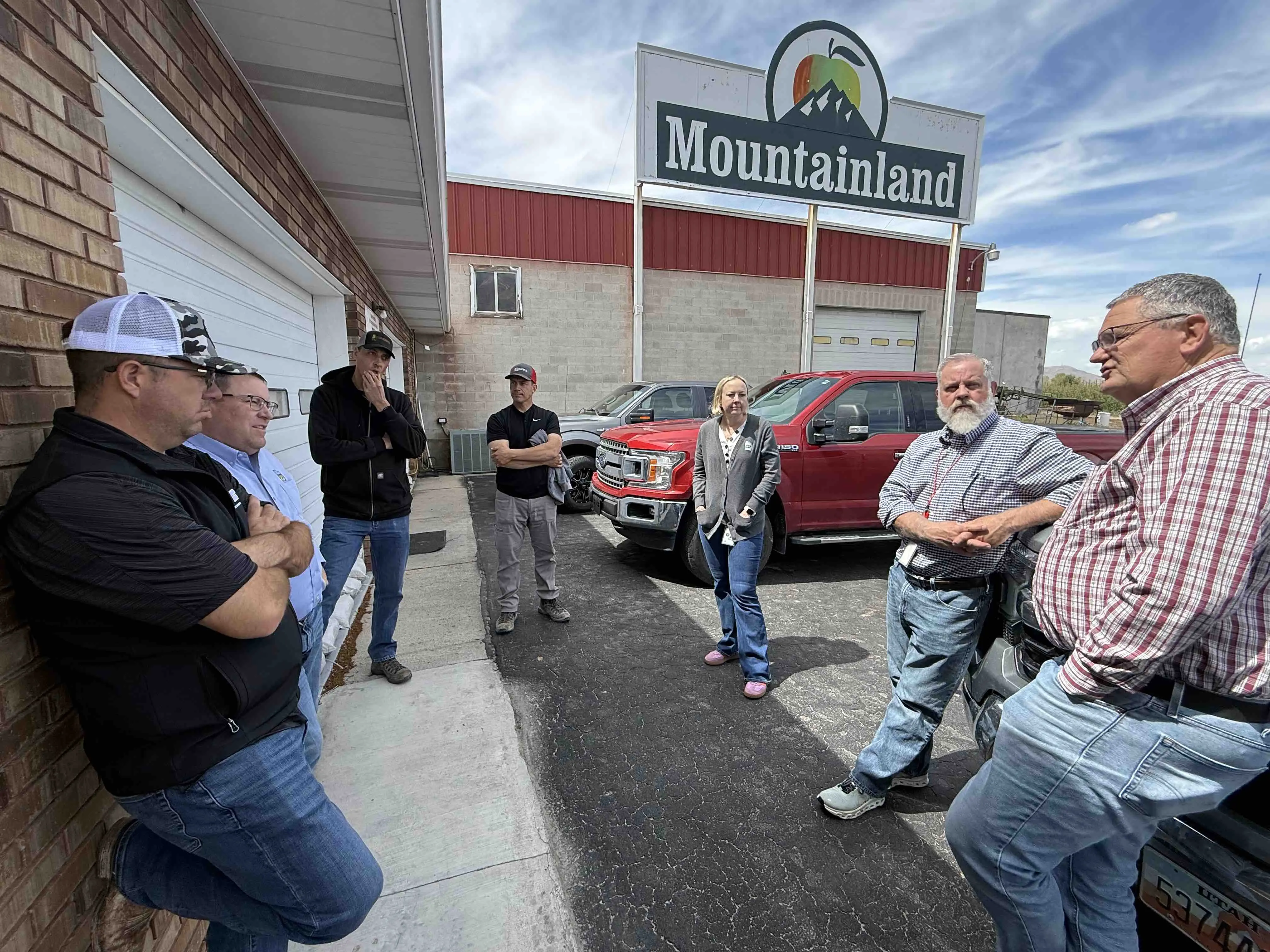
“It’s a huge economic blow to lose your crop,” said Chris Riley, a fruit farmer from Genola and Vice President of the Utah County Farm Bureau, in an interview with KSL News. “Insurance should definitely help, but I’m looking at what I can do for additional revenue streams this year. I’ll be doing more trucking and hauling equipment, just to get through the summer.”
Riley isn’t alone. Manning Orchards in Davis County lost its entire peach crop, with Chris Healy explaining that his community rallied around to help offset losses.
“Our community was great. They set up a GoFundMe account and raised more than $40,000 for us this year, which will really help,” Healy said. Healy has also had to find off-farm income to support his family and the farm.
Farmer Kent Pyne from Utah County appeared on a few media interviews documenting what happened to their farm, which relies on farmers market sales.
“It was a total loss this year. We won’t be harvesting anything,” Pyne said. “I will still be able to go to the markets to make apple slushes and things from last year’s crop. But it’s going to be hard. It’s depressing and sad, but we just have to make the best of a bad situation. We’ll be back next year.”
Thankfully, farmers of produce crops like tomatoes, corn, and potatoes are still on track to bring their harvest to farmers markets, including the two operated by Utah Farm Bureau in South Jordan and Murray.
“Our markets will be open, and now more than ever, farmers need your support,” said Adelaide Cory-Disch, farmers’ market manager for the Utah Farm Bureau. “Farmers markets are more than just a Saturday tradition; they are a livelihood for many farmers in Utah. While it breaks our hearts to see what has happened to our fruit growers and know many will be severely limited in their harvests this year, many will still be at the markets. To our shoppers, come and be flexible and show up for these farmers where you can.”
Farmers are still evaluating the value of crop losses for this year and hoping for the best. Many will be showing up as they can with what may be limited amounts of fruit. Other growers in southern Utah, while smaller in total acreage, will also be selling fruit at northern Utah locations. The Utah Farm Bureau farmers markets start up the end of July and early August, and run through the month of October. More information on the markets can be found HERE.
Want more news on this topic? Farm Bureau members may subscribe for a free email news service, featuring the farm and rural topics that interest them most!