
Warrior Rizen Ranch Growing Hope, Healing Families
Author
Published
3/11/2026
Cowboys and the western ranches they worked on often carry a sense of rugged individualism and a gruff exterior that seems to reject letting problems get to them. After all, the same isolation and rough conditions that turn fence posts into weathered imitations of their former selves can do the same thing to people. But at the Warrior Rizen Ranch in Morgan County, the ranch is being used to help people who have given so much to others to open up and process their challenges.
John and Barbara Schlichte operate the ranch with the involvement of their five sons and their families to give back to veterans and police officers and their families, who endure high levels of stress and traumatic experiences in service to others. Their family knows a lot about these situations. John Schlichte served in the military in the special forces in the 1980’s, and Barbara’s father served for more than 30 years. Going back further, their families have a legacy of military service, including an ancestor who even served in the U.S. Civil War. Based on that family history, three of the Schlichte sons served in the military, and another served as a police officer.

In the early 1990’s, John and his family moved to Utah, where he managed a successful workers’ compensation insurance business. After selling the business in 2017, John faced decisions about his future.
“I didn’t just want to sit around and travel,” Schlichte said. “I wanted to help other people. We wanted to see how we could help not just veterans, but their families, deal with the issues they come home with.”
Helping Families
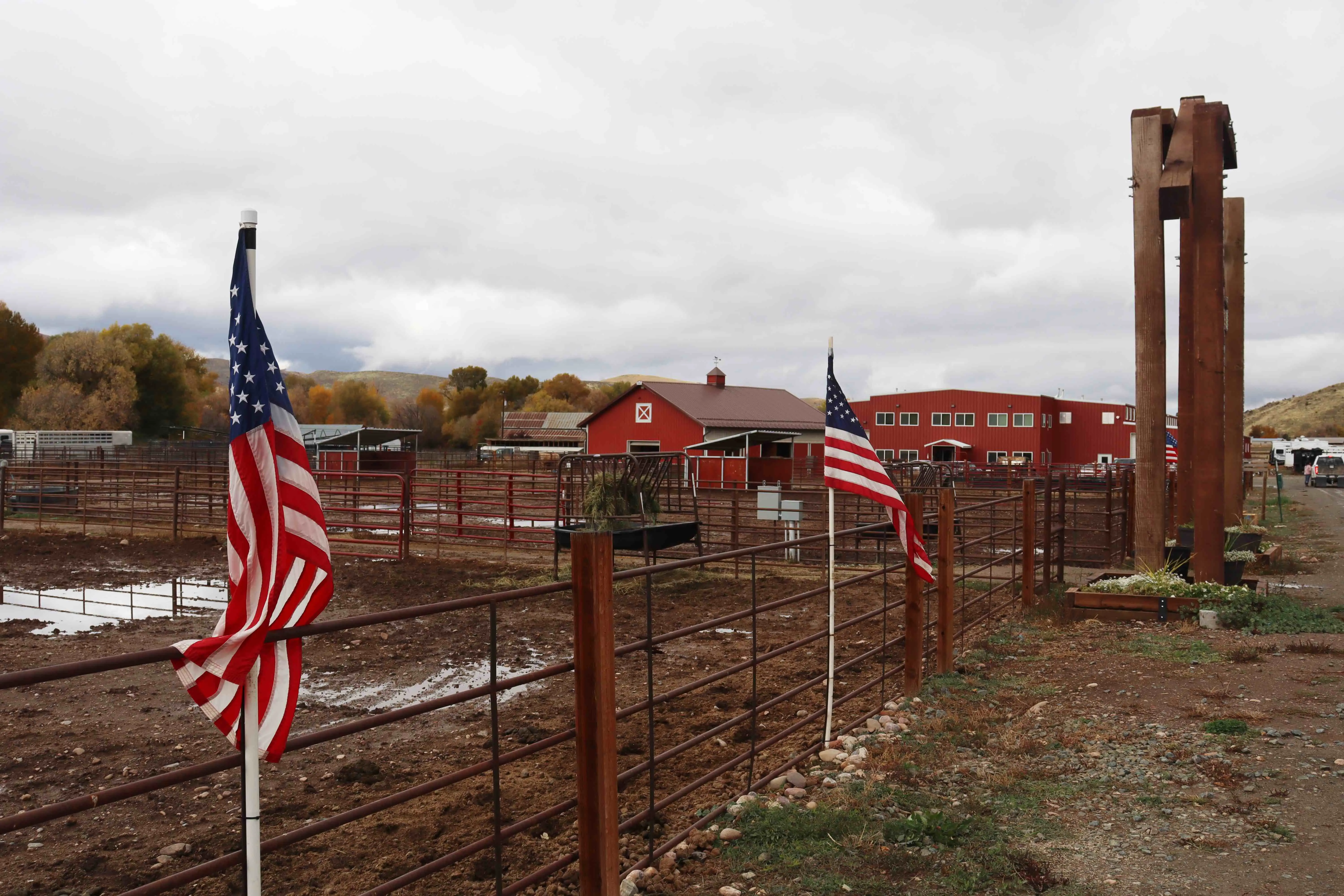
The way to help came through the purchase of farmland, starting with a 60-acre parcel, and, over the years, working with multiple owners to accumulate what is now a more than 6,500-acre ranch. The intent of the ranch is to provide activities and experiences tailored to the specific needs of military and law enforcement families, using agriculture as a classroom of sorts.
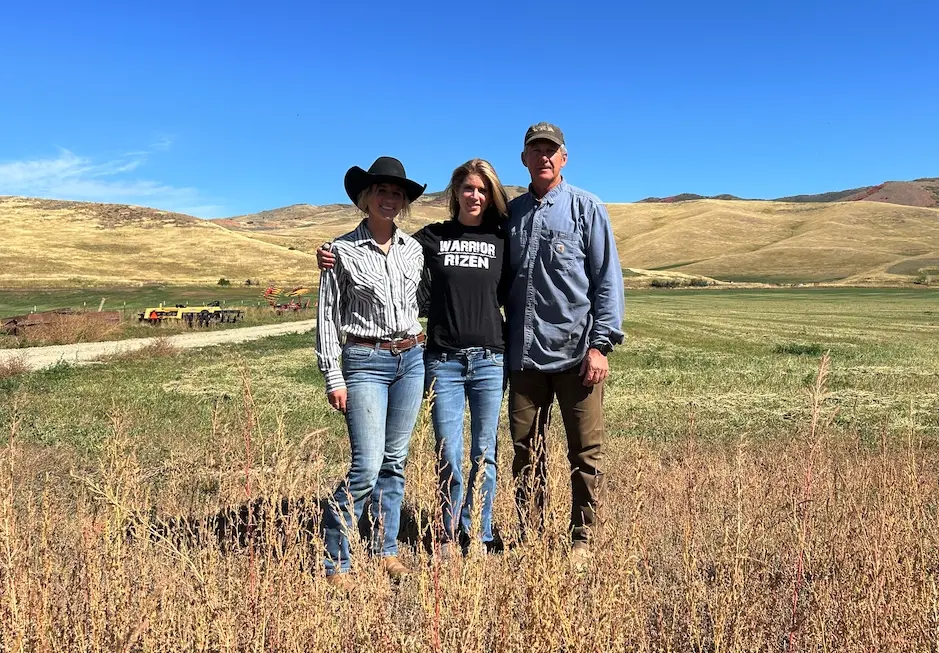
The Schlichte family operates the land as a working ranch year-round, including when guests are not visiting. This includes raising beef cattle and the growing of feed associated with that. The ranch also provides horse riding lessons, trail rides, and horse boarding, and offers its facilities for weddings, family reunions, and corporate retreats. But the focus is on helping military and law enforcement families heal and grow.
The ranch welcomes families to stay free of charge from Monday through Saturday during the summer months. Families will receive orientation and assignments of farm chores, including feeding horses and other livestock, harvesting produce, and more.
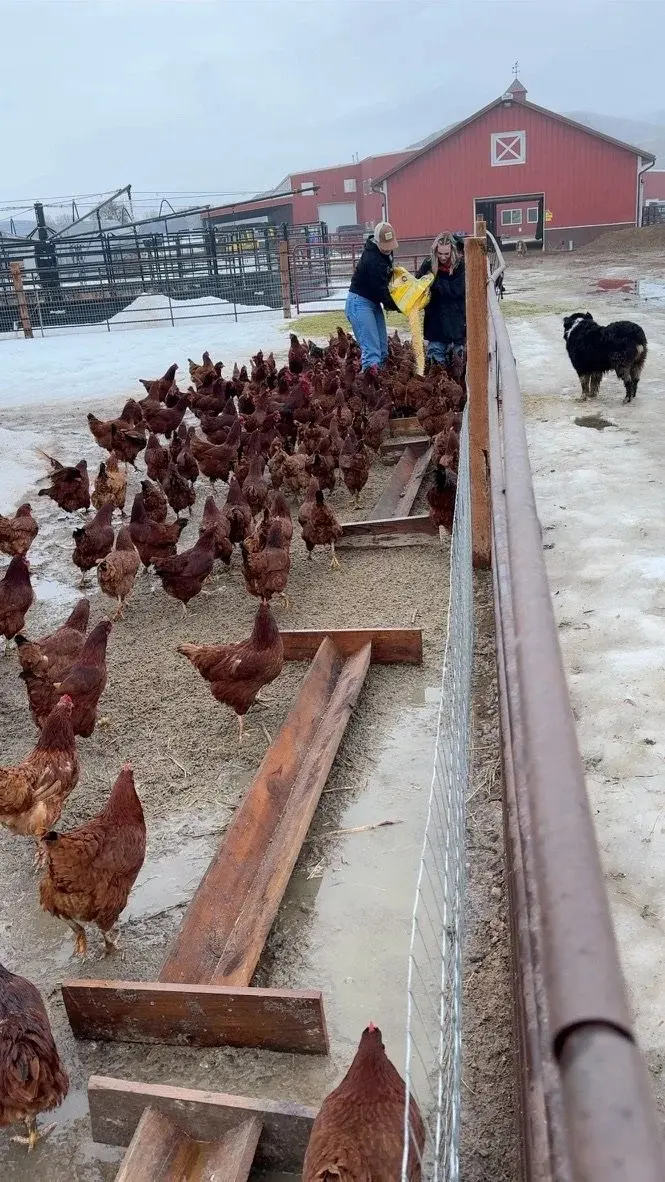
“We work with certified therapists to help these families, and we mostly get out of the way,” Schlichte said. “The therapists do great work, but there is also work done while doing the farm work, in the small discussions you have with the families. They pick the produce they will eat that day, gather eggs from our chickens, etc. We help them to see that the steak they are eating wasn’t born at [a grocery store].”
While at the ranch, military and police families enjoy farm-to-table meals prepared by professional chefs using ingredients from the farm, trail rides in the mountains, and service projects, all in an environment that recognizes the sacrifices these families have made and is designed to provide time to slow down and allow healing to take place.
One guest who stayed at the ranch was Ji Fredricksen and her husband, who were from Virginia Beach. Both served in the Navy, with Ji recently retiring and her husband still on active duty. Their family came to the Warrior Rizen ranch to reconnect and receive therapy. In an interview with KSL television’s Mike Anderson, the Fredricksens shared part of what brought them to the ranch.
“We are in it for so long that, like sometimes you don’t realize how much you’re hurting and how much you’ve been avoiding things,” Ji Fredricksen said. “[This is] very much a male-dominant career, and I was very much praised for being strong and stern and even-keeled, but yeah, I think everything catches up to you.”
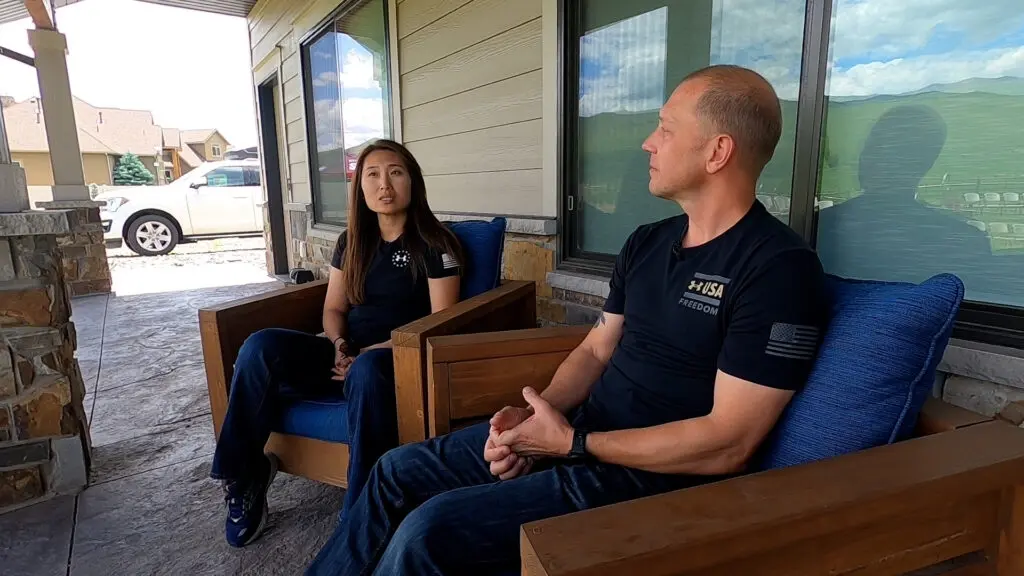 Photo courtesy of Mike Anderson, KSL News
Ji’s husband, Robert, added, “I think far too many people just accept it and try to deal with it on their own.”
In addition to welcoming whole families that are working on being together after traumatic experiences, the ranch also dedicates two weeks to special guests. One week will focus on ‘Gold Star families’, which are families that have experienced the loss of an immediate family member who died as a result of active-duty military service. Another week is reserved for what are called ‘White Star families’, which refers to the family of a service member or first responder who died by suicide after returning home.
“These are the most challenging weeks, and where our therapists and volunteers really shine,” Schlichte said.
After supporting military veterans and their families at the ranch for several years, Schlichte recognized the need to open the ranch to families of police officers as well, who face similar yet distinct circumstances.
“Police officers share similar issues, but it’s held in a different way,” Schlichte said. While a military veteran and their family may reconnect ‘after’ their service, police officers carry the stresses and trauma home with them every day.”
Second Help
Another group of individuals that are critical to the success of the ranch are the countless volunteers. In addition to individuals, Schlichte works with many service missionaries and focuses on helping them build confidence and resilience through farm work.
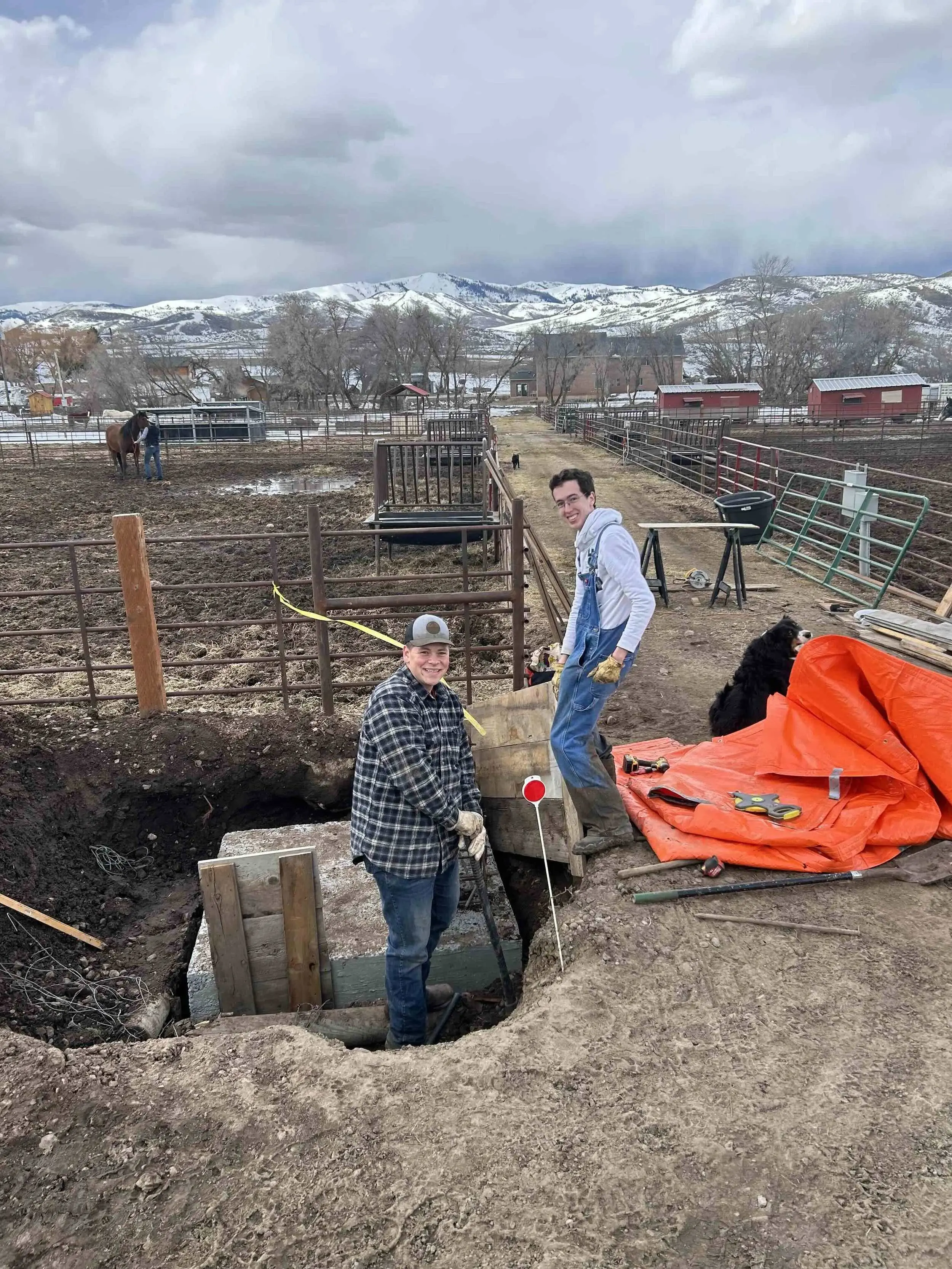
“They work throughout the year on the farm, helping with calving season, helping move cows on the mountain, how to weld, how to cut hay and bale it, etc.,” Schlichte said. “They hear me say all the time when they’re in an unfamiliar situation, that they need to IDS it.”
Schlichte explained that it stands for Identifying the real root of the problem; Discussing the problem openly without blame; and then determining the action needed to Solve the problem. Schlichte believes the volunteers benefit as much from many of the lessons learned as the families attending.
“Solving the problems you find every day on the ranch brings great satisfaction,” Schlichte said. “They’re building ponds, fixing broken excavation equipment, preg checking cows, moving hay, etc. We tell them often to ‘be comfortable being uncomfortable’, and working on a ranch is always uncomfortable.”
Food Security is National Security
While providing great service to military and law enforcement families, Schlichte has gained a greater appreciation for the work of farm and ranch families across the country in providing the food we enjoy every day. Just as military families directly provide national security, Schlichte argues that farmers do a similar thing.
“In all the businesses I’ve had, this has been the most challenging. I am in awe of what our full-time farmers and ranchers can do. I don’t know how they can do it year after year and be profitable,” Schlichte said. “Food security is national security. I don’t just mean about the origin of our food, but more that we have to be able to feed ourselves [to be a free people].”
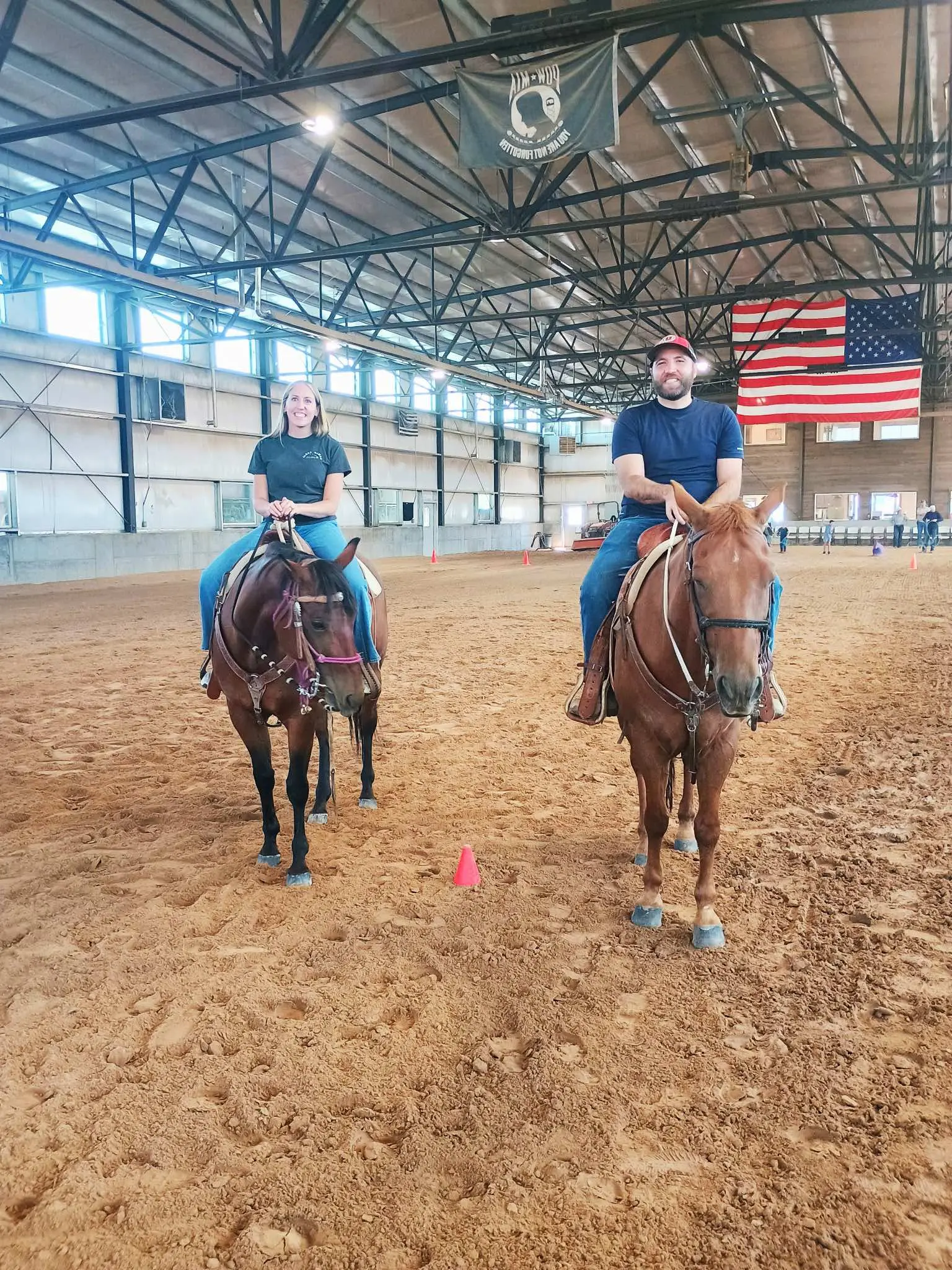
In addition to serving military families and working with volunteers, Schlichte and his family have opened the ranch to the community, inviting them to participate in the ranch’s summer concert series, where musicians perform for families attending and the community. “We want others to come and see how they can help a veteran or a missionary and to pay it forward,” Schlichte said. “Come and say hi and thank you to our military families.”
To learn more about the Warrior Rizen Ranch and ways to get involved, visit WarriorRizenRanch.com or its foundation site, WarriorRizenFoundation.org.
Want more news on this topic? Farm Bureau members may subscribe for a free email news service, featuring the farm and rural topics that interest them most!