
It's All in the Name, or is it? Decoding Food Labels
Author
Published
3/6/2026
Americans enjoy a wide range of food choices, and consumer preferences and values are often reflected in their food purchases. Isn’t it amazing that we live in a place with almost limitless options to satisfy our preferences? And we have farmers and ranchers around the country to thank for the many options we have. While this industry is complex, the goal is simple – feed more people with less environmental impact, responsibly.
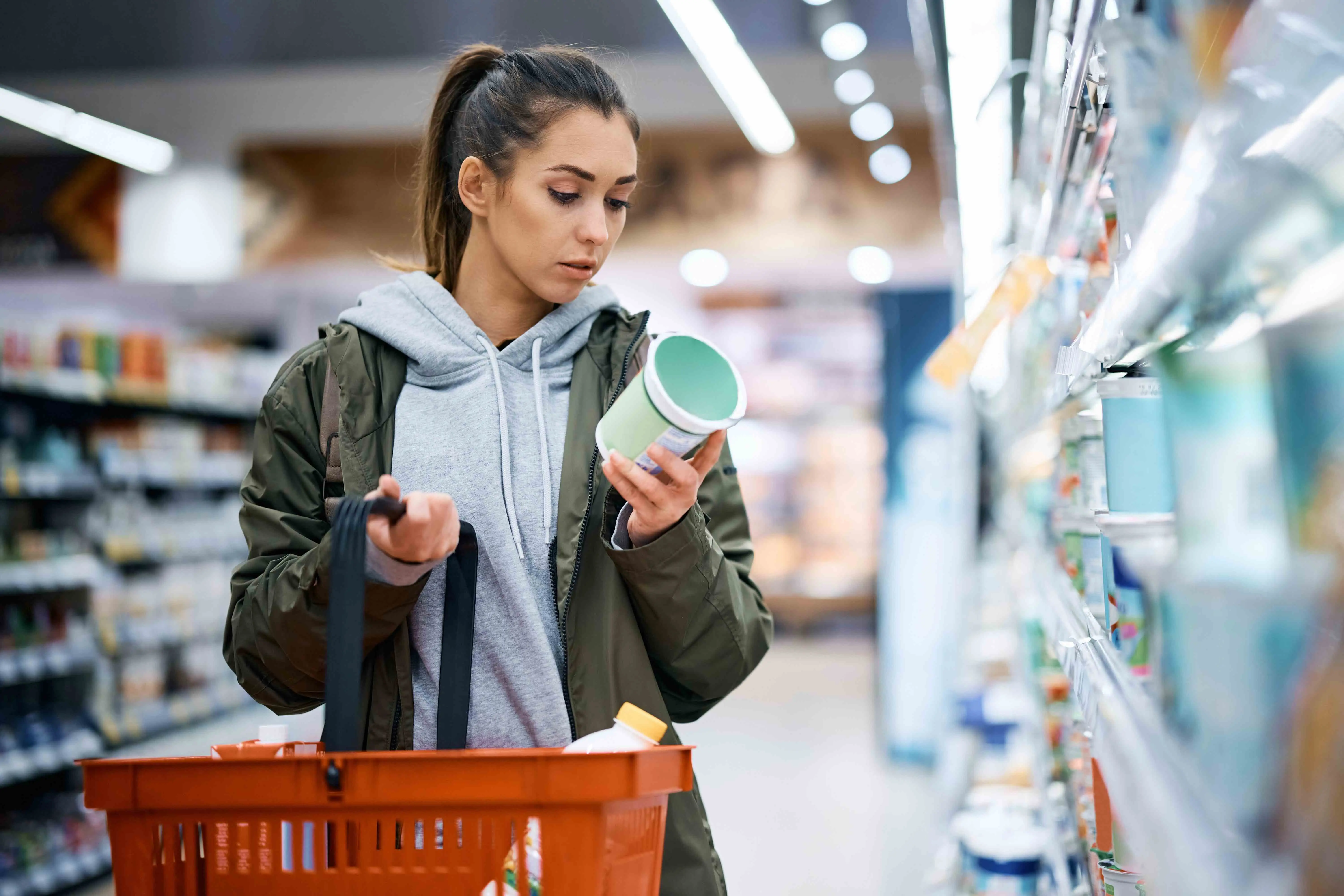
When out at the store or your local farmers market, shoppers can find products labeled as natural, organic, and free-range. But what do all those labels really mean? Understanding food labels can help you make more informed food choices.
Natural
As required by the United States Department of Agriculture (USDA), meat, poultry, and egg products labeled as natural must be minimally processed and contain no artificial ingredients. The natural label doesn’t include any standards regarding farm practices and applies only to the processing of meat and egg products.
.jpeg)
Food products other than meat, poultry, and processed eggs can also be labeled natural, but from a food science perspective, it’s difficult to define a food product as natural, since it's likely been processed and is no longer the product of the earth in its natural state.
The Food and Drug Administration (FDA) has not developed a definition for the use of the term natural, but the agency hasn’t objected to the use of the term if the food does not contain added color, artificial flavors, or synthetic substances.
Organic
Organic refers to food or other agricultural products that have been produced without synthetic fertilizers, sewage sludge, irradiation, and genetic engineering. But whether it’s organic or conventional, it’s how the farmer treats the soil, the crops, and their community that makes it trustworthy.
Pesticides derived from natural sources, such as biological pesticides, may be used in the production of organically grown food.
The USDA regulates organic crops, livestock, and agricultural products by established standards through the National Organic Program certification. To sell, label, or represent products as organic, farmers must comply with all USDA organic regulations. If you see the USDA organic seal, the product is certified organic and has 95 percent or more organic content.
Why does organic food cost more?
The simple answer is that it costs more to farm organic food due to production costs, including lower crop yields, keeping organic crops separate from conventional crops, higher labor costs, and economies of scale.
Is organic food worth buying?
Organic foods are usually good for the environment, but can be more expensive. The USDA found that the costs of fruits and vegetables are typically about 20% higher than those of conventional produce, and sometimes higher.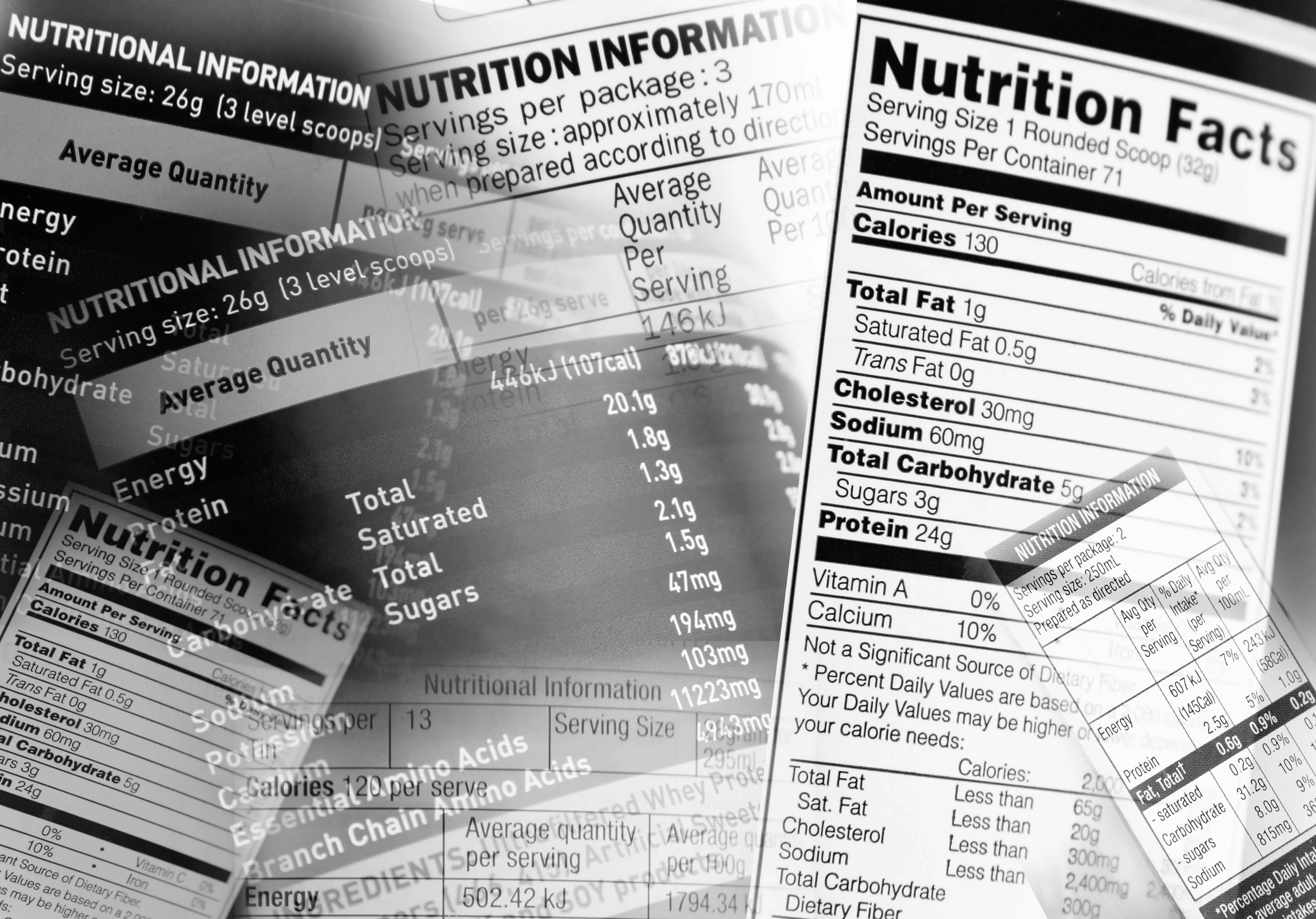.jpeg)
Is organic food more nutritious than conventionally grown food?
According to a study at UC Davis, organic foods are not healthier, per se, in terms of nutrients. You are still getting the same benefits in conventionally grown foods as you are in organic foods.
Organic and conventional systems can both meet rigorous safety and quality standards, and provide the safety and nutritional value we all need. You can feel confident that whether it’s organic or conventional, your food is safe and nutritious.
Free Range and Cage Free
Free range, also known as free roaming, means that farmers need to demonstrate to the USDA that poultry have been allowed access to the outdoors.
Cage-free labels certify that the flock was able to freely roam in a building, room, or enclosed area with unlimited access to food and fresh water. There are no regulations with the cage-free certification for the flock to have outdoor access.
Humane
Some labeling programs claim that animals were treated humanely during the production cycle, but verification of these claims can differ. Humane labeling programs are not regulated.
.jpeg)
No antibiotics (red meat and poultry)
The term “no antibiotics added” may be used on labels for meat or poultry products if required documentation is provided by the farmer to the USDA demonstrating that the animals were raised without antibiotics.
This label can be confusing. The important thing for consumers to know is that ALL poultry and meats in the grocery store DO NOT have antibiotics. There are no antibiotics in meat and poultry due to regulations in place.
Even if a farmer chooses to use antibiotics for the well-being of their animals (think of when your child is prescribed antibiotics by a doctor to treat strep throat), there is a waiting period before that animal can enter the market. Checks and balances are in place to test products like meat and milk to ensure there are no antibiotics in food that is being eaten. Because of concerns about antibiotic resistance, antibiotics used for growth promotion is no longer allowed in the United States.
Dr. Jeff Bener, DVM, MS, DACVPM from the University of Minnesota, gives this advice, “The food that we have in our grocery stores is good. It is inspected, and there are regulations in place to really eliminate the possibility that antibiotics are there. You should feel comfortable in consuming products that you buy at the grocery store.”
Modern agriculture responds to meet consumer demands. Understanding what’s in your food is important, and the labels used can help consumers make more informed choices that align with their values and preferences. Whatever your food preferences, hard-working farmers and ranchers are working day and night to care for their land and livestock to provide your family – and their own – with healthy food choices.
Want more news on this topic? Farm Bureau members may subscribe for a free email news service, featuring the farm and rural topics that interest them most!